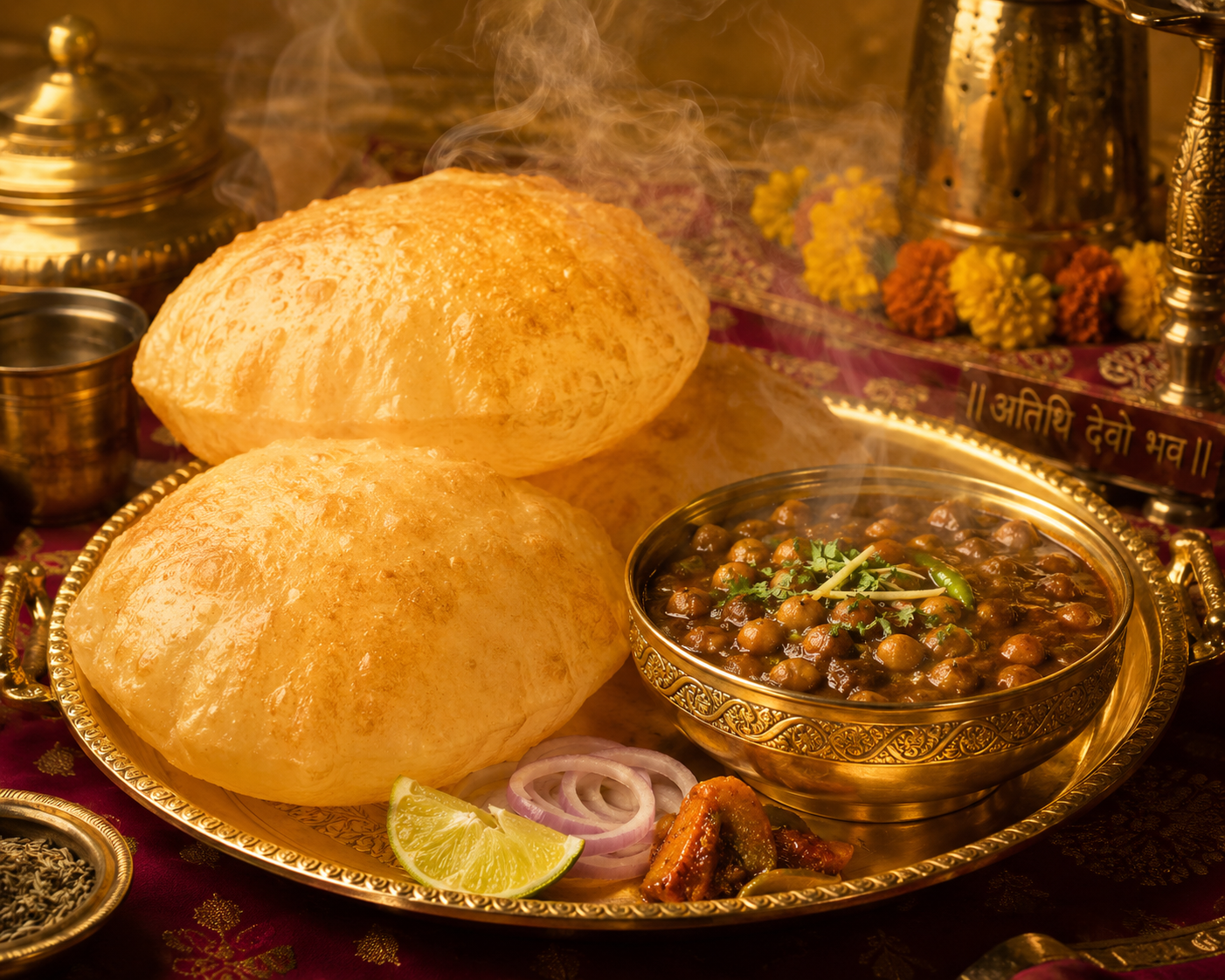
Poha Recipe | Authentic Maharashtrian Kanda Poha
Learn how to make soft, fluffy, and flavorful Kanda Poha at home with flattened rice, onions, peanuts, curry leaves, and aromatic Indian spices. This authentic Maharashtrian breakfast recipe is light, healthy, and ready in under 30 minutes. Serve this delicious Poha with lemon wedges, fresh coriander, sev, and a hot cup of chai for a perfect Indian breakfast or evening snack.
Recipe Overview
Recipe Summary
Prep Time
10 Min
Cook Time
15 Min
Total Time
25 Min
Difficulty
Easy
Yield
4 Servings
Calories
260 kcal
About This Recipe
Poha, also known as Kanda Poha, is one of India’s most popular breakfast dishes, especially in Maharashtra and Madhya Pradesh. It is prepared using flattened rice that is lightly steamed with onions, peanuts, curry leaves, mustard seeds, turmeric, and green chilies, creating a soft, fluffy, and aromatic dish that’s both delicious and satisfying.
This wholesome breakfast is naturally light, easy to digest, and packed with flavor. Garnished with fresh coriander, grated coconut, sev, and a squeeze of lemon juice, Poha is enjoyed by people of all ages and makes a perfect start to the day.
This authentic recipe follows traditional Maharashtrian cooking techniques to help you prepare perfectly fluffy, flavorful, and restaurant-style Kanda Poha right in your own kitchen.
Why You’ll Love This Poha Recipe
- Authentic Maharashtrian homemade taste.
- Ready in just 25 minutes.
- Light, healthy, and filling breakfast.
- Soft, fluffy, and perfectly seasoned.
- Made with simple pantry ingredients.
- Naturally vegetarian and easy to digest.
- Perfect for breakfast or evening snacks.
- Beginner-friendly recipe.
- Customizable with vegetables and spices.
- Loved by both kids and adults.
What Makes This Poha Special?
The secret to authentic Kanda Poha lies in washing the flattened rice gently without soaking it, roasting the peanuts until crunchy, and tempering mustard seeds, curry leaves, and green chilies in hot oil before combining everything together. This creates perfectly fluffy Poha with balanced flavors and wonderful aroma.
Fresh lemon juice, coriander, grated coconut, and crispy sev added just before serving elevate this humble breakfast into a delicious and satisfying meal.
Main Ingredients
Tempering Ingredients
Spices
For Garnishing
Equipment Needed
Ingredient Substitutions
- Thick poha can be replaced with medium poha, but avoid using thin poha.
- Raw peanuts may be substituted with roasted peanuts or cashews.
- Oil can be replaced with ghee for a richer flavor.
- Green chilies may be adjusted according to spice preference.
- Fresh grated coconut can be omitted if unavailable.
- Sugar may be skipped or replaced with jaggery powder.
- Fresh coriander can be substituted with mint leaves for a different flavor.
- Lemon juice may be replaced with amchur powder.
- Mustard seeds can be omitted if unavailable, though traditional flavor will vary.
- You can add boiled potatoes, peas, or carrots for a more filling version.
Step-by-Step Instructions
Wash the Poha
Place the thick poha in a colander and rinse it gently under running water.
Drain immediately and let it rest for 5–10 minutes.
👨🍳 Chef Tip: Never soak poha in water, as it can become mushy.
Prepare the Ingredients
Finely chop the onions and green chilies.
Wash and chop the fresh coriander.
👨🍳 Chef Tip: Keep all ingredients ready before you start cooking.
Roast the Peanuts
Heat oil in a pan and fry the peanuts until golden and crunchy.
Remove and keep them aside.
👨🍳 Chef Tip: Crispy peanuts add wonderful texture to the Poha.
Prepare the Tempering
In the same pan, add mustard seeds and cumin seeds.
Allow them to splutter before adding curry leaves.
👨🍳 Chef Tip: Proper tempering creates the authentic Maharashtrian aroma.
Sauté the Onions
Add chopped onions and green chilies.
Cook until the onions become soft and translucent.
👨🍳 Chef Tip: Do not brown the onions; they should remain soft and sweet.
Add the Spices
Add turmeric powder, salt, and optional sugar.
Mix well so the spices coat the onions evenly.
👨🍳 Chef Tip: Turmeric should be added on low heat to retain its vibrant color.
Add the Poha
Gently add the softened poha to the pan.
Mix carefully without breaking the flakes.
👨🍳 Chef Tip: Fold gently instead of stirring vigorously.
Add the Peanuts
Return the roasted peanuts to the pan.
Mix until evenly distributed.
👨🍳 Chef Tip: Adding peanuts later helps them stay crunchy.
Steam Briefly
Cover the pan with a lid for 2–3 minutes.
Cook over low heat.
👨🍳 Chef Tip: Gentle steaming softens the poha without making it sticky.
Add Lemon Juice
Switch off the heat.
Add fresh lemon juice and mix gently.
👨🍳 Chef Tip: Lemon juice should always be added after cooking for maximum freshness.
Garnish the Poha
Sprinkle fresh coriander, grated coconut, and sev.
Mix lightly or garnish before serving.
👨🍳 Chef Tip: Fresh garnishes give authentic street-style flavor.
Serve Hot
Serve immediately with lemon wedges and hot masala chai.
Enjoy while warm for the best taste and texture.
👨🍳 Chef Tip: Freshly prepared Poha is always softer and more aromatic.
👨🍳 Perfect Poha Secrets
- Use thick-quality poha.
- Never soak the poha in water.
- Drain immediately after rinsing.
- Roast peanuts until perfectly crunchy.
- Use fresh curry leaves.
- Cook onions until just soft.
- Mix the poha gently.
- Steam on low heat for a few minutes.
- Add lemon juice after cooking.
- Garnish generously before serving.
🥣 Perfect Poha Texture Guide
Perfect Poha should be soft, fluffy, separate, and lightly moist without becoming sticky or mushy.
🥣 Authentic Maharashtrian Poha Secrets
Traditional Kanda Poha is prepared using thick flattened rice that is gently rinsed instead of soaked. Fresh curry leaves, mustard seeds, roasted peanuts, turmeric, and onions are essential for creating the authentic aroma and taste enjoyed throughout Maharashtra.
Many local vendors also finish the dish with fresh coconut, coriander, sev, and a squeeze of lemon juice for the classic street-style experience.
🌿 Authentic Flavor Tips
The best Poha has a delicate balance of sweetness, tanginess, crunch, and mild spice. Fresh lemon juice, crunchy peanuts, aromatic curry leaves, and vibrant turmeric combine beautifully to create this comforting breakfast.
Serve immediately after cooking to preserve the soft texture and fresh flavors.
❌ Common Mistakes to Avoid
- Using thin poha.
- Soaking the poha for too long.
- Overcooking the onions.
- Using too much turmeric.
- Skipping the tempering.
- Mixing the poha aggressively.
- Adding lemon juice while cooking.
- Overcooking after adding poha.
- Skipping the roasted peanuts.
- Serving after it becomes cold.
Popular Poha Variations
- 🧅 Kanda Poha
- 🥔 Batata Poha
- 🌱 Indori Poha
- 🌽 Vegetable Poha
- 🥜 Peanut Poha
- 🍅 Tomato Poha
- 🧀 Cheese Poha
- 🌶️ Masala Poha
- 🥬 Palak Poha
- 🥭 Kairi (Raw Mango) Poha
🍽️ Serving Suggestions
Serve hot Poha with fresh lemon wedges, crispy sev, grated coconut, chopped coriander, and a cup of masala chai. It also pairs wonderfully with plain yogurt, pickle, or a glass of fresh buttermilk for a wholesome Indian breakfast.
🧊 Storage & Reheating Guide
🧊 Refrigerator
Store leftover Poha in an airtight container for up to 2 days.
❄️ Freezer
Freezing is not recommended as Poha loses its soft texture after thawing.
🔥 Reheating
Sprinkle a few drops of water and reheat gently in a pan or microwave until warm and soft.
Make Ahead Tips
- Chop onions and green chilies in advance.
- Roast the peanuts ahead of time.
- Prepare all garnishes before cooking.
- Keep curry leaves washed and ready.
- Measure spices beforehand.
- Rinse the poha only when ready to cook.
- Prepare the tempering ingredients in advance.
- Serve immediately after cooking for the best texture.
🥗 Nutrition Information (Approx. Per Serving)
Nutritional values are approximate and may vary depending on ingredients used.
Calories
Protein
Carbohydrates
Fat
Fiber
Sodium
❤️ Health Highlights
- Light and easy to digest.
- Provides quick energy from flattened rice.
- Peanuts contribute healthy fats and protein.
- Contains antioxidants from turmeric and curry leaves.
- Rich in vitamins from fresh herbs and lemon.
- Naturally vegetarian.
- Can be customized with vegetables for extra nutrition.
- A wholesome breakfast suitable for all ages.
💡 Did You Know?
Poha is one of India’s most iconic breakfast dishes and is especially famous in Maharashtra and Madhya Pradesh. Indore’s famous Poha, topped with sev, pomegranate seeds, fennel-flavored jeeravan masala, and fresh coriander, has become a culinary attraction enjoyed by visitors from around the world.
Frequently Asked Questions
Which type of poha is best for this recipe?
Thick poha is the best choice because it remains soft and fluffy after rinsing.
Why did my poha become mushy?
Over-soaking or using too much water can make the poha soft and sticky.
Can I make Poha without onions?
Yes. You can skip onions or add boiled potatoes and vegetables instead.
Can I prepare Poha in advance?
Poha tastes best when served fresh, but leftovers can be refrigerated and reheated gently.
Can I add vegetables?
Yes. Carrots, peas, corn, capsicum, and potatoes are popular additions.
Why is lemon juice added at the end?
Adding lemon juice after cooking preserves its fresh flavor and prevents bitterness.
Can I make Poha without peanuts?
Yes. You can omit peanuts or replace them with cashews.
Is Poha healthy?
Yes. Poha is light, easy to digest, and can be made more nutritious with vegetables, peanuts, and fresh herbs.
Can I use thin poha?
Thin poha softens too quickly and is generally not recommended for this recipe.
Why does street-style Poha taste different?
Street vendors often use fresh curry leaves, roasted peanuts, sev, grated coconut, and their own spice blends to create the signature flavor.
Related Recipes You May Like
Why This Poha Recipe Works
This recipe follows traditional Maharashtrian cooking methods by gently rinsing thick poha, preparing a fragrant tempering, roasting peanuts separately, and finishing with fresh lemon juice and garnishes. These simple techniques produce soft, fluffy, flavorful Poha every single time.
🌟 Expert Serving Tip
For authentic Indori-style Poha, garnish generously with sev, grated coconut, chopped coriander, pomegranate seeds, a squeeze of fresh lemon juice, and a light sprinkle of jeeravan masala just before serving.
Chef’s Final Note
The secret to perfect homemade Poha is treating the flattened rice gently. Rinse it quickly, avoid overcooking, and use fresh curry leaves, crunchy peanuts, and a final squeeze of lemon juice to create a light, fluffy, and flavorful breakfast that’s loved across India.
⭐ Rate This Recipe
If you enjoyed this Authentic Maharashtrian Poha recipe, save it for later, share it with your friends and family, and enjoy it fresh with your favorite cup of hot chai for the perfect Indian breakfast experience.