Pakora Recipe | Crispy Mixed Vegetable Pakora
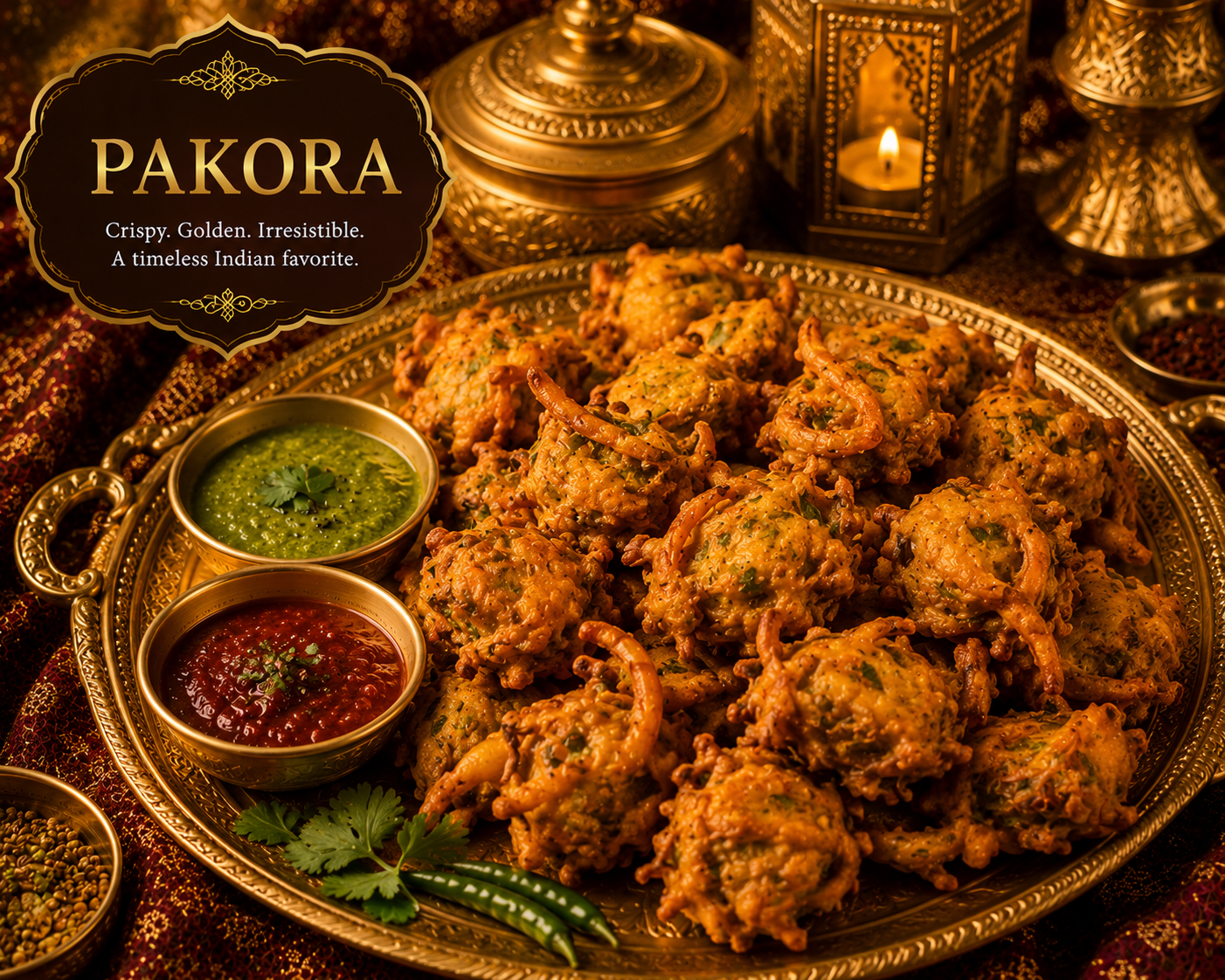
Learn how to make perfectly crispy Mixed Vegetable Pakora at home with this easy step-by-step recipe. Made with gram flour (besan), onions, potatoes, spinach, and aromatic Indian spices, these golden fritters are crunchy on the outside and soft inside. Perfect for rainy days, tea-time snacks, parties, and festive gatherings, this authentic Indian Pakora recipe delivers restaurant-style results with simple pantry ingredients.
Recipe Overview
Recipe Summary
Prep Time
15 Min
Cook Time
20 Min
Difficulty
Easy
Yield
4 Servings
Main Ingredient
Besan
Calories
280 kcal
About This Recipe
Pakora, also known as Pakoda or Bhajiya, is one of India’s most popular snacks. It is made by coating vegetables in a spiced gram flour batter and deep-frying them until golden brown and crispy.
This Mixed Vegetable Pakora combines onions, potatoes, spinach, and aromatic spices to create a flavorful snack that pairs beautifully with hot tea and chutneys. The secret to exceptional pakoras lies in achieving the perfect batter consistency and frying at the correct temperature.
Whether you’re enjoying a rainy afternoon, hosting guests, or looking for a quick evening snack, this authentic Pakora recipe will help you create irresistibly crunchy fritters every time.
Why You’ll Love This Pakora Recipe
- Extra crispy texture.
- Authentic Indian street-food flavor.
- Perfect tea-time snack.
- Simple pantry ingredients.
- Ready in under 40 minutes.
- Highly customizable vegetables.
- Perfect for monsoon evenings.
- Crowd-pleasing appetizer.
- Easy beginner-friendly recipe.
- Detailed chef tips included.
What Makes This Pakora Special?
Unlike ordinary fritters, authentic Indian Pakoras rely on a carefully balanced besan batter, fresh vegetables, and aromatic spices. This recipe uses traditional techniques that create a light, crispy exterior while keeping the inside tender and flavorful. The result is a restaurant-style Pakora that’s crunchy, satisfying, and packed with flavor.
For the Pakora Batter
Vegetables
Flavor Enhancers
For Frying
For Serving
Equipment Needed
Ingredient Substitutions
- Rice flour can replace part of the besan for extra crispiness.
- Corn flour can be added for a lighter texture.
- Sweet potatoes can replace regular potatoes.
- Kale can replace spinach.
- Green onions can replace regular onions.
- Chaat masala can be added for extra tanginess.
- Fresh fenugreek leaves can replace kasuri methi.
- Coconut oil can be used for frying.
- Black pepper can replace red chili powder.
- Gluten-free flour blends are unnecessary since besan is naturally gluten-free.
Step-by-Step Instructions
Prepare the Vegetables
Wash and dry all vegetables thoroughly.
Thinly slice the onions and potatoes, chop the spinach, green chilies, and coriander.
👨🍳 Chef Tip: Excess moisture can make pakoras soggy, so dry the vegetables well before mixing.
Combine the Vegetables
Add onions, potatoes, spinach, coriander, green chilies, ginger, and optional garlic to a large mixing bowl.
Mix everything evenly.
👨🍳 Chef Tip: Onions naturally release moisture, helping create a flavorful pakora mixture.
Add the Dry Ingredients
Add besan, red chili powder, turmeric, coriander powder, ajwain, kasuri methi, and salt.
Mix thoroughly until the vegetables are coated.
👨🍳 Chef Tip: Crush the ajwain lightly between your palms before adding to release more flavor.
Mix Without Water Initially
Let the mixture rest for 5 minutes.
The onions will begin releasing moisture naturally.
👨🍳 Chef Tip: This technique reduces the amount of water needed and results in crispier pakoras.
Add Water Gradually
Sprinkle water little by little while mixing.
Create a thick coating around the vegetables rather than a thin batter.
👨🍳 Chef Tip: Less water equals crispier pakoras. Add only enough to bind the ingredients together.
Check Batter Consistency
The mixture should hold together when squeezed lightly in your hand.
It should not be runny.
👨🍳 Chef Tip: Thick batter creates crunchy pakoras with attractive irregular edges.
Heat the Oil
Heat oil in a deep frying pan over medium heat.
Allow it to reach the proper frying temperature.
👨🍳 Chef Tip: Medium heat ensures the inside cooks fully while the outside becomes crispy.
Test the Oil
Drop a small amount of batter into the oil.
It should rise steadily to the surface without browning immediately.
👨🍳 Chef Tip: If the batter sinks for too long, the oil is too cold. If it browns instantly, the oil is too hot.
Shape the Pakoras
Take small portions of the mixture using your fingers.
Drop irregular clusters directly into the hot oil.
👨🍳 Chef Tip: Uneven shapes create more crispy edges and authentic street-food texture.
Fry Until Golden
Fry the pakoras in batches without overcrowding the pan.
Turn occasionally for even browning.
👨🍳 Chef Tip: Overcrowding lowers oil temperature and causes oily pakoras.
Double Fry for Extra Crispiness
For restaurant-style crunch, remove the pakoras when light golden.
Let them rest for 2 minutes, then fry again briefly.
👨🍳 Chef Tip: Double frying creates exceptionally crispy pakoras that stay crunchy longer.
Drain and Serve
Remove the pakoras and place them on paper towels.
Serve immediately with chutney and hot tea.
👨🍳 Chef Tip: Sprinkle chaat masala while the pakoras are still hot for extra flavor.
👨🍳 Ultimate Crispy Pakora Secrets
- Use fresh besan for the best flavor.
- Keep the batter thick rather than runny.
- Allow onions to release moisture naturally.
- Add water gradually.
- Use medium-hot oil.
- Fry in small batches.
- Avoid overcrowding the pan.
- Double fry for maximum crunch.
- Serve immediately after frying.
- Pair with fresh chutneys.
🥣 Perfect Batter Consistency Guide
The ideal pakora mixture should coat the vegetables without becoming a pourable batter. When squeezed gently, it should hold together while still showing visible vegetable pieces.
🌡️ Oil Temperature Guide
For the crispiest pakoras, maintain a steady medium frying temperature. This allows the inside to cook completely while creating a beautifully golden and crunchy exterior.
🌟 Street-Style Pakora Technique
Many Indian street vendors avoid making a smooth batter. Instead, they coat vegetables with just enough besan and moisture to bind them together. This technique creates irregular crispy edges and a lighter texture compared to fully coated fritters.
The combination of thick coating, medium-hot oil, and small frying batches produces the signature crunch found in the best roadside pakoras.
❌ Common Mistakes to Avoid
- Adding too much water.
- Using cold oil.
- Overheating the oil.
- Overcrowding the frying pan.
- Skipping the resting period after mixing.
- Using wet vegetables.
- Making very large pakoras.
- Under-seasoning the batter.
- Not draining excess oil.
- Serving after they lose crispness.
Popular Pakora Variations
- 🧅 Onion Pakora (Pyaz Pakoda)
- 🥔 Potato Pakora (Aloo Pakora)
- 🌶️ Mirchi Pakora
- 🥬 Spinach Pakora (Palak Pakora)
- 🧀 Paneer Pakora
- 🥦 Mixed Vegetable Pakora
- 🌽 Corn Pakora
- 🍞 Bread Pakora
- 🥚 Egg Pakora
- 🧄 Garlic Pakora
🍽️ Serving Suggestions
Serve hot and crispy Pakoras with mint chutney, tamarind chutney, garlic chutney, or tomato ketchup. For the ultimate Indian tea-time experience, pair them with a steaming cup of masala chai. Pakoras also make an excellent appetizer for parties and festive gatherings.
🧊 Storage & Reheating Guide
🧊 Refrigerator
Store leftover pakoras in an airtight container for up to 2 days.
❄️ Freezer
Freeze cooked pakoras for up to 1 month in a freezer-safe container.
🔥 Reheating
Reheat in an oven or air fryer until crispy. Avoid microwaving as it softens the crust.
Make Ahead Tips
- Wash and slice vegetables in advance.
- Prepare dry spice mixture ahead of time.
- Mix batter ingredients just before frying.
- Keep vegetables refrigerated until needed.
- Prepare chutneys a day in advance.
- Measure spices beforehand for quicker cooking.
- Use fresh oil for the best flavor.
- Serve immediately after frying for maximum crispiness.
🥗 Nutrition Information (Approx. Per Serving)
These nutritional values are approximate and may vary depending on ingredients and frying method.
Calories
Protein
Carbohydrates
Fat
Fiber
Sodium
❤️ Health Highlights
- Gram flour provides plant-based protein.
- Contains dietary fiber from vegetables.
- Naturally gluten-free when made with pure besan.
- Provides vitamins and minerals from fresh vegetables.
- Can be customized with nutrient-rich ingredients.
- Offers satisfying texture and flavor.
- Suitable as an occasional snack or appetizer.
- Pairs well with fresh herb chutneys.
💡 Did You Know?
Pakoras have been enjoyed across the Indian subcontinent for centuries and are especially popular during the monsoon season. The combination of hot, crispy fritters and a cup of tea has become one of the most beloved comfort-food traditions in India.
Frequently Asked Questions
Why are my pakoras not crispy?
Too much water in the batter or low oil temperature can make pakoras soft and oily.
Can I make pakoras without onions?
Yes, you can use potatoes, spinach, paneer, cauliflower, or other vegetables.
Which flour is best for pakoras?
Gram flour (besan) is traditionally used and provides the best flavor and texture.
Can I air-fry pakoras?
Yes, though deep-fried pakoras generally have a crispier texture and richer flavor.
How do I prevent oily pakoras?
Use medium-hot oil and avoid making the batter too thin.
Can I freeze pakoras?
Yes, cooked pakoras freeze well and can be reheated in an oven or air fryer.
What chutney goes best with pakoras?
Mint chutney and tamarind chutney are the most popular accompaniments.
Can I add rice flour?
Yes, adding a small amount of rice flour helps create extra crispy pakoras.
Why do pakoras absorb excess oil?
This usually happens when the oil temperature is too low or the batter contains too much water.
Can I make pakoras ahead of time?
They are best served fresh, but can be reheated in an oven or air fryer before serving.
Related Recipes You May Like
Why This Pakora Recipe Works
This recipe uses the perfect balance of gram flour, vegetables, and spices to create pakoras that are crispy outside and flavorful inside. The controlled moisture level, proper oil temperature, and traditional frying technique ensure authentic Indian street-food quality every time.
🌟 Expert Serving Tip
For the best experience, serve Pakoras immediately after frying with fresh mint chutney and hot masala chai. Sprinkle a little chaat masala and finely chopped coriander over the pakoras just before serving to enhance flavor and presentation.
Chef’s Final Note
Great Pakoras are all about balance—fresh vegetables, well-seasoned batter, proper oil temperature, and patience while frying. Follow these techniques and you’ll achieve crispy, golden, restaurant-style Pakoras that everyone will love. Whether it’s a rainy afternoon or a festive celebration, this timeless snack never disappoints.