Dal Makhani Recipe | Restaurant Style Creamy Dal Makhani
Learn how to make rich, creamy, and authentic Restaurant Style Dal Makhani at home with this detailed step-by-step recipe. Made with whole black lentils (sabut urad dal), rajma, butter, cream, tomatoes, and aromatic spices, Dal Makhani is one of North India’s most beloved dishes. Slow-cooked to perfection, this luxurious curry delivers deep flavors, velvety texture, and the signature restaurant-style taste that pairs perfectly with naan, roti, or jeera rice.
Recipe Overview
Recipe Summary
Prep Time
15 Min
Soaking Time
8 Hrs
Cook Time
1 Hr 30 Min
Difficulty
Moderate
Yield
6 Servings
Calories
380 kcal
About This Recipe
Dal Makhani is one of the most iconic dishes from Punjabi cuisine. Traditionally prepared with whole black lentils and kidney beans, this rich curry is slow-cooked for hours to achieve its signature creamy texture and deep flavor.
The name “Makhani” comes from the generous use of butter, which contributes to the luxurious richness of the dish. Combined with tomatoes, cream, and aromatic spices, the lentils transform into a silky, restaurant-style curry loved across India and around the world.
This recipe follows authentic cooking methods while remaining practical for home kitchens. With proper soaking, slow simmering, and a few professional techniques, you can create a Dal Makhani that rivals your favorite restaurant.
Why You’ll Love This Dal Makhani Recipe
- Rich and creamy restaurant-style texture.
- Authentic Punjabi flavor.
- Protein-rich and satisfying.
- Perfect for special occasions.
- Pairs beautifully with naan and rice.
- Made with simple pantry ingredients.
- Slow-cooked for maximum flavor.
- Naturally vegetarian.
- Excellent make-ahead dish.
- Detailed chef tips included.
What Makes This Dal Makhani Special?
The secret to exceptional Dal Makhani is patience. Long soaking, proper pressure cooking, and slow simmering allow the lentils to break down naturally, creating a silky texture without excessive cream. Combined with butter, tomatoes, and aromatic spices, the result is a deeply flavorful curry with restaurant-quality richness.
For the Dal
For the Masala Base
Spices
For Richness
For Garnish
Equipment Needed
Ingredient Substitutions
- Whole black lentils can be replaced with black beluga lentils if necessary.
- Kidney beans can be replaced with black beans.
- Fresh cream can be replaced with malai or cooking cream.
- Butter may be replaced partially with ghee.
- Canned tomato puree can replace fresh tomatoes.
- Greek yogurt can replace a portion of the cream.
- Kasuri methi can be omitted if unavailable.
- Red chili powder can be adjusted to taste.
- Vegan butter can be used for a vegan version.
- Coconut cream may be used as a dairy-free alternative.
Step-by-Step Instructions
Soak the Lentils and Beans
Wash the urad dal and rajma thoroughly.
Soak them together in plenty of water overnight or for at least 8 hours.
👨🍳 Chef Tip: Proper soaking helps the lentils cook evenly and creates a creamier final texture.
Drain and Rinse
Drain the soaking water and rinse the lentils once again.
Transfer them to a pressure cooker.
👨🍳 Chef Tip: Fresh water improves flavor and prevents any fermented taste.
Pressure Cook the Dal
Add fresh water and a little salt.
Pressure cook until the lentils and beans become completely soft.
Cook for 18–20 whistles or until very tender.
👨🍳 Chef Tip: Dal Makhani requires overcooked lentils for its signature creamy consistency.
Mash Part of the Dal
Open the cooker and lightly mash some of the cooked lentils.
Leave some whole for texture.
👨🍳 Chef Tip: Partial mashing naturally thickens the curry without adding extra cream.
Prepare the Aromatics
Heat butter and oil in a heavy-bottom pan.
Add chopped onions and sauté until soft.
👨🍳 Chef Tip: The oil prevents the butter from burning while cooking.
Add Ginger, Garlic and Chili
Add ginger, garlic, and green chili.
Cook until aromatic.
👨🍳 Chef Tip: Fresh ginger and garlic provide the authentic restaurant-style flavor base.
Cook the Tomato Base
Add tomato puree and mix well.
Cook until the mixture thickens and releases oil from the sides.
👨🍳 Chef Tip: Properly cooked tomatoes remove raw acidity and deepen the flavor.
Add the Spices
Add red chili powder, turmeric, coriander powder, and a little salt.
Mix thoroughly and cook for 2–3 minutes.
👨🍳 Chef Tip: Briefly cooking the spices helps unlock their aroma and richness.
Combine Dal and Masala
Add the cooked dal mixture into the prepared masala.
Mix thoroughly until everything is well combined.
👨🍳 Chef Tip: Stir gently to prevent the lentils from sticking to the bottom.
Slow Simmer the Dal
Reduce the heat to low and simmer for 30–40 minutes.
Stir occasionally and add water if necessary.
👨🍳 Chef Tip: Slow cooking is the secret behind restaurant-quality Dal Makhani.
Add Butter and Cream
Add butter and fresh cream.
Mix gently until incorporated.
👨🍳 Chef Tip: Add cream toward the end to maintain its silky texture.
Add Kasuri Methi and Garam Masala
Crush kasuri methi between your palms and add it along with garam masala.
Mix well.
👨🍳 Chef Tip: Kasuri methi gives Dal Makhani its distinctive restaurant aroma.
Optional Dhungar Method
Place a small steel bowl in the dal.
Add a hot charcoal piece, drizzle ghee over it, and cover immediately.
Allow the smoky flavor to infuse for 3–4 minutes.
👨🍳 Chef Tip: This traditional dhungar method creates authentic restaurant-style smokiness.
Garnish and Serve
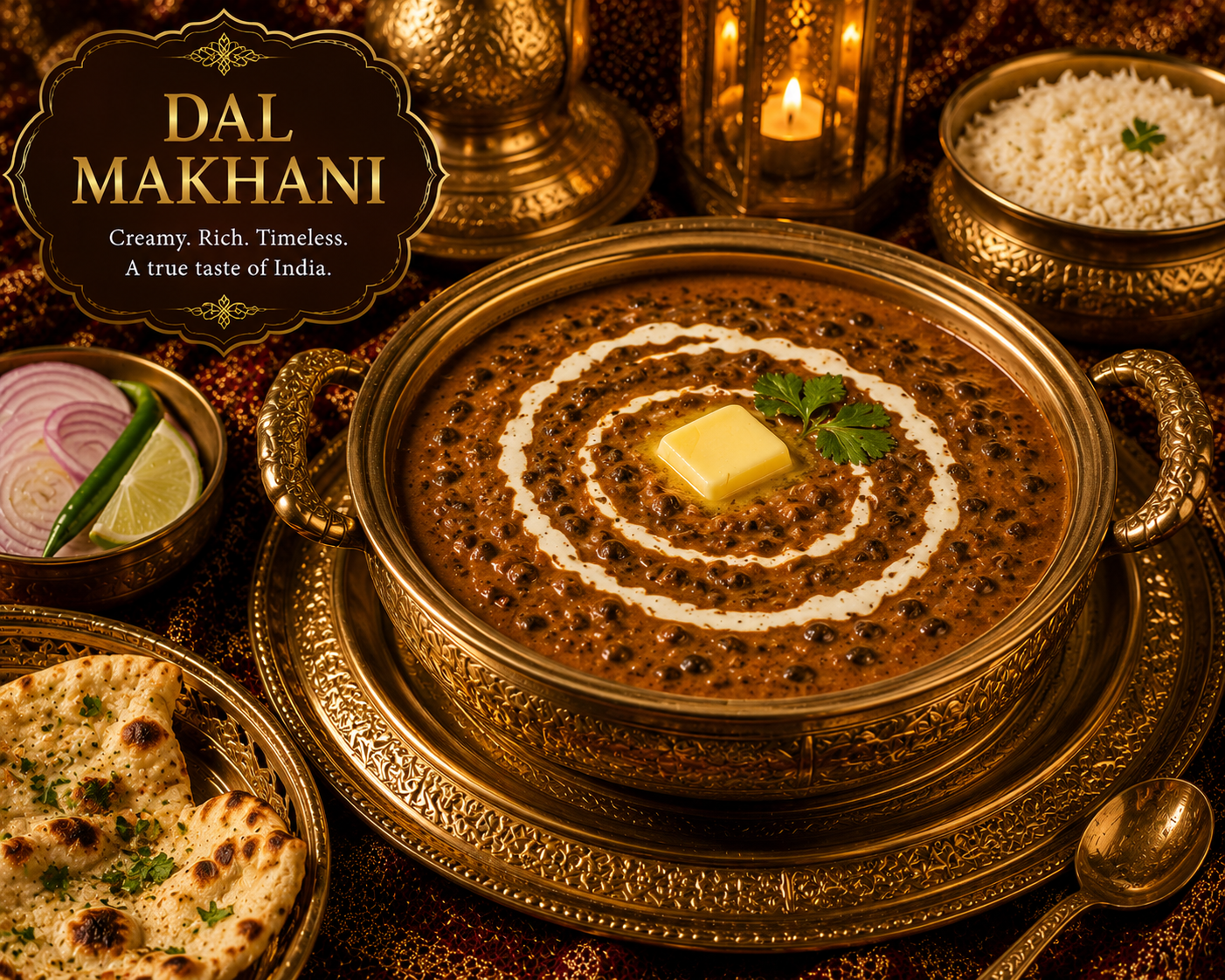
Garnish with cream, fresh coriander, and a small cube of butter.
Serve hot with naan, roti, or jeera rice.
👨🍳 Chef Tip: A final swirl of cream makes the presentation truly restaurant-worthy.
👨🍳 Restaurant-Style Dal Makhani Secrets
- Soak lentils overnight.
- Cook the lentils until extremely soft.
- Mash a portion of the dal.
- Use butter generously.
- Cook tomatoes thoroughly.
- Slow simmer for at least 30 minutes.
- Add cream near the end.
- Use kasuri methi for aroma.
- Try the dhungar method for smokiness.
- Allow the flavors to develop slowly.
🥘 Perfect Creamy Texture Guide
Authentic Dal Makhani should slowly coat the back of a spoon while remaining smooth, creamy, and pourable.
🔥 Traditional Dhungar Method
Many restaurants use a smoking technique called Dhungar to add a subtle tandoor-like aroma. A piece of hot charcoal is placed in a small bowl inside the cooked dal, topped with a little ghee, and covered briefly.
The trapped smoke infuses the Dal Makhani with a rich, smoky flavor that elevates the dish significantly.
🌟 Slow Cooking Secrets
Traditional Punjabi Dal Makhani is often cooked for several hours. The extended cooking time allows the lentils to break down naturally, creating the luxurious texture that defines the dish.
Even an extra 20–30 minutes of slow simmering can dramatically improve the flavor and consistency.
❌ Common Mistakes to Avoid
- Skipping the soaking step.
- Undercooking the lentils.
- Using too little water during cooking.
- Rushing the simmering process.
- Adding cream too early.
- Using raw tomato puree.
- Skipping kasuri methi.
- Adding excessive spices.
- Over-thickening the dal.
- Serving immediately without resting.
Popular Dal Makhani Variations
- 🧈 Classic Punjabi Dal Makhani
- 🔥 Dhaba Style Dal Makhani
- 🥛 Extra Creamy Restaurant Style Dal Makhani
- 🌱 Vegan Dal Makhani
- 🥥 Coconut Cream Dal Makhani
- ⚡ Instant Pot Dal Makhani
- 🍅 Tomato-Rich Dal Makhani
- 🌶️ Spicy Dal Makhani
- 🧄 Garlic Butter Dal Makhani
- 🔥 Smoked Dal Makhani (Dhungar Style)
🍽️ Serving Suggestions
Serve hot Dal Makhani with butter naan, garlic naan, tandoori roti, laccha paratha, jeera rice, or steamed basmati rice. Add sliced onions, lemon wedges, and a small cube of butter on top for an authentic restaurant-style presentation.
🧊 Storage & Reheating Guide
🧊 Refrigerator
Store in an airtight container for up to 4 days.
❄️ Freezer
Freeze for up to 2 months in freezer-safe containers.
🔥 Reheating
Reheat gently on the stovetop with a splash of water or milk to restore creaminess.
Make Ahead Tips
- Soak lentils and beans overnight.
- Cook the lentils a day in advance.
- Prepare the tomato-onion masala ahead of time.
- Store cooked dal separately until serving.
- Add cream only during final reheating.
- Prepare garnish ingredients beforehand.
- Freeze portions for quick future meals.
- Dal Makhani tastes even better the next day.
🥗 Nutrition Information (Approx. Per Serving)
Nutritional values are approximate and may vary depending on ingredients and serving size.
Calories
Protein
Carbohydrates
Fat
Fiber
Sodium
❤️ Health Highlights
- Excellent source of plant-based protein.
- Rich in dietary fiber.
- Contains iron and essential minerals.
- Supports long-lasting satiety.
- Provides complex carbohydrates.
- Offers valuable antioxidants from tomatoes and spices.
- Can be adapted for vegan diets.
- Nutritious when enjoyed as part of a balanced meal.
💡 Did You Know?
Dal Makhani originated in the Punjab region and became internationally famous through iconic North Indian restaurants. Traditionally, it was slow-cooked overnight on low heat, allowing the lentils to develop their signature creamy texture and rich flavor.
Frequently Asked Questions
Why is my Dal Makhani not creamy?
The lentils may not have been cooked long enough or simmered sufficiently after combining with the masala.
Can I make Dal Makhani without cream?
Yes. The lentils themselves create natural creaminess. Cream simply enhances richness.
Why is soaking important?
Soaking softens the lentils and beans, reducing cooking time and improving texture.
Can I make Dal Makhani in an Instant Pot?
Yes. An Instant Pot significantly reduces cooking time while producing excellent results.
What makes restaurant Dal Makhani taste different?
Slow cooking, generous butter, cream, and often a smoky dhungar finish create restaurant-style flavor.
Can I freeze Dal Makhani?
Yes. It freezes very well and can be reheated with a little water or milk.
How long should I simmer Dal Makhani?
At least 30–40 minutes after combining the dal and masala for the best flavor.
Can I use only urad dal?
Yes, but rajma adds texture and traditional authenticity.
How do restaurants get the smoky flavor?
Many use the traditional dhungar method with hot charcoal and ghee.
Does Dal Makhani taste better the next day?
Yes. The flavors continue to develop and become richer after resting overnight.
Related Recipes You May Like
Why This Dal Makhani Recipe Works
This recipe follows authentic Punjabi techniques including overnight soaking, thorough pressure cooking, slow simmering, and careful finishing with butter, cream, and kasuri methi. These steps create the rich texture and deep flavor that define true restaurant-style Dal Makhani.
🌟 Expert Serving Tip
Just before serving, add a swirl of cream, a small cube of butter, and a sprinkle of crushed kasuri methi. This simple finishing touch instantly enhances both presentation and flavor.
Chef’s Final Note
The magic of Dal Makhani comes from patience. Allow the lentils to cook slowly, develop their natural creaminess, and absorb the flavors of butter, tomatoes, and spices. Follow these traditional techniques and you’ll create a rich, comforting Dal Makhani worthy of any restaurant menu.