Idli Recipe | Soft & Fluffy South Indian Idli
Learn how to make soft, fluffy, and authentic South Indian Idli at home using perfectly fermented rice and urad dal batter. These light, steamed rice cakes are healthy, naturally gluten-free, easy to digest, and ideal for breakfast or dinner. Serve hot with coconut chutney, sambar, tomato chutney, or podi for a wholesome and delicious meal.
Recipe Overview
Recipe Summary
Prep Time
20 Min
Fermentation
8–12 Hours
Cook Time
25 Min
Difficulty
Easy
Yield
20–24 Idlis
Calories
65 kcal (Per Idli)
About This Recipe
Idli is one of India’s healthiest and most loved breakfast dishes. Made from naturally fermented rice and urad dal batter, these steamed rice cakes are incredibly soft, fluffy, and light on the stomach. Their mild flavor makes them perfect for pairing with coconut chutney, sambar, tomato chutney, or spicy idli podi.
Traditional South Indian Idlis are prepared through natural fermentation, which not only develops their signature flavor but also improves digestibility and nutritional value. With the right batter consistency and proper steaming, you can easily make restaurant-quality idlis at home.
This foolproof recipe follows authentic South Indian techniques to help you prepare perfectly soft, spongy, and delicious idlis every single time.
Why You’ll Love This Idli Recipe
- Authentically soft and fluffy texture.
- Naturally fermented for better digestion.
- Healthy steamed breakfast.
- Made with simple pantry ingredients.
- Perfect for kids and adults.
- Naturally vegetarian and gluten-free.
- Excellent for meal preparation.
- Pairs perfectly with chutney and sambar.
- Beginner-friendly recipe.
- Traditional South Indian taste.
What Makes This Idli Special?
The secret to soft, airy Idlis lies in properly fermented batter made from the perfect combination of idli rice, urad dal, and fenugreek seeds. Gentle steaming preserves the light texture while creating moist, fluffy idlis that melt in your mouth.
Unlike fried breakfast dishes, Idlis are steamed, making them low in fat, easy to digest, and suitable for all age groups while delivering authentic South Indian flavor.
Main Ingredients
Seasoning
For Serving
Optional Ingredients
Equipment Needed
Ingredient Substitutions
- Idli rice can be replaced with regular short-grain rice.
- Whole urad dal may be substituted with split urad dal (without skin).
- Fenugreek seeds can be omitted, though they improve fermentation.
- Rock salt may be replaced with regular salt.
- Oil can be substituted with ghee for greasing the idli moulds.
- Store-bought idli batter may be used for quicker preparation.
- Coconut chutney can be replaced with peanut or tomato chutney.
- Sambar may be substituted with vegetable kurma.
- Poha (flattened rice) may be added for extra softness.
- Rice flour can be mixed into the batter if it becomes too thin.
Step-by-Step Instructions
Wash the Ingredients
Wash the idli rice and urad dal separately until the water becomes clear.
Rinse away excess starch and impurities.
👨🍳 Chef Tip: Proper washing helps create clean-tasting and fluffy idlis.
Soak the Rice and Dal
Soak the rice separately and soak urad dal with fenugreek seeds for 4–6 hours.
Drain the soaking water before grinding.
👨🍳 Chef Tip: Well-soaked ingredients grind smoothly and ferment better.
Grind the Urad Dal
Grind the soaked urad dal into a smooth, fluffy batter.
Add water gradually while grinding.
👨🍳 Chef Tip: A light and airy urad batter gives soft, spongy idlis.
Grind the Rice
Grind the soaked rice into a slightly coarse batter.
Avoid making it completely smooth.
👨🍳 Chef Tip: Slight texture helps create authentic idlis.
Mix the Batter
Combine both batters in a large bowl.
Mix thoroughly until evenly combined.
👨🍳 Chef Tip: Mixing by hand helps encourage natural fermentation.
Ferment the Batter
Cover the bowl and keep it in a warm place for 8–12 hours.
Allow the batter to double in volume.
👨🍳 Chef Tip: Proper fermentation creates light, airy, and flavorful idlis.
Add Salt
Gently mix the fermented batter and add salt.
Avoid overmixing.
👨🍳 Chef Tip: Gentle mixing preserves the air bubbles inside the batter.
Prepare the Idli Plates
Grease the idli moulds lightly with oil or ghee.
Fill each mould about three-fourths full.
👨🍳 Chef Tip: Leave space for the batter to expand while steaming.
Heat the Steamer
Bring water to a boil in the idli steamer.
Place the filled idli plates inside.
👨🍳 Chef Tip: Steam only after the water reaches a full boil.
Steam the Idlis
Steam for 10–12 minutes over medium heat.
Do not open the lid during steaming.
👨🍳 Chef Tip: Consistent steam ensures evenly cooked idlis.
Cool Slightly
Allow the idlis to rest for 2–3 minutes.
Remove them gently using a spoon.
👨🍳 Chef Tip: Resting helps the idlis release easily without breaking.
Serve Hot
Serve hot with coconut chutney, sambar, or idli podi.
Enjoy immediately for the best taste and texture.
👨🍳 Chef Tip: A drizzle of melted ghee makes idlis even more delicious.
👨🍳 Perfect Idli Secrets
- Use good-quality idli rice.
- Always grind urad dal until fluffy.
- Allow full fermentation.
- Do not overmix fermented batter.
- Grease the moulds lightly.
- Steam on medium heat.
- Never over-steam the idlis.
- Use fresh batter for the softest texture.
- Serve immediately after steaming.
- Pair with homemade chutney and sambar.
🥥 Perfect Idli Texture Guide
Perfect idlis should be soft, fluffy, moist, and spring back gently when pressed with your finger.
🥣 Traditional South Indian Secrets
Authentic South Indian Idlis rely entirely on natural fermentation rather than yeast. The correct ratio of rice and urad dal, combined with proper grinding and fermentation, creates the signature airy texture that has made idli one of India’s healthiest breakfast dishes.
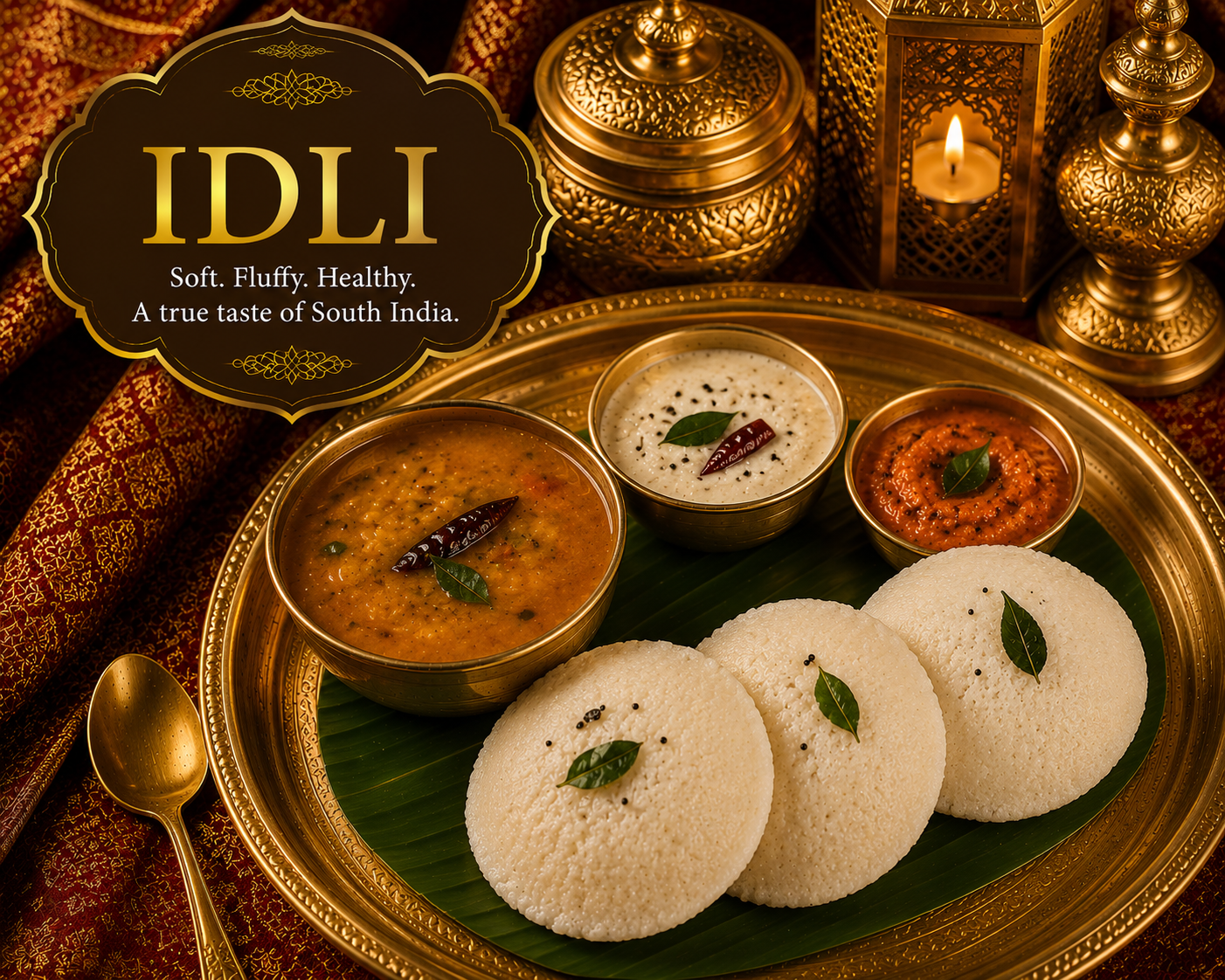
Freshly steamed idlis served with coconut chutney and hot sambar offer the classic South Indian dining experience.
🌾 Fermentation Tips
Fermentation is the heart of a perfect idli. Keep the batter in a warm place, avoid disturbing it while fermenting, and use non-chlorinated water whenever possible. During winter, placing the batter inside an oven with the light switched on helps maintain the ideal temperature.
A well-fermented batter should nearly double in volume and have a light, airy appearance.
❌ Common Mistakes to Avoid
- Using old urad dal.
- Skipping proper soaking.
- Grinding the batter too thick.
- Adding too much water.
- Insufficient fermentation.
- Overmixing fermented batter.
- Overfilling the idli moulds.
- Over-steaming the idlis.
- Opening the steamer too early.
- Serving cold instead of hot.
Popular Idli Variations
- 🥥 Traditional South Indian Idli
- 🌾 Rava Idli
- 🌿 Kanchipuram Idli
- 🥕 Vegetable Idli
- 🌽 Millet Idli
- 🍃 Mini Button Idlis
- 🧈 Ghee Podi Idli
- 🌶️ Masala Fried Idli
- 🥬 Oats Idli
- 🌱 Brown Rice Idli
🍽️ Serving Suggestions
Serve hot Idlis with coconut chutney, sambar, tomato chutney, mint chutney, peanut chutney, or spicy idli podi mixed with sesame oil or ghee. They also pair wonderfully with vegetable kurma, potato masala, and filter coffee for a complete South Indian breakfast.
🧊 Storage & Reheating Guide
🧊 Refrigerator
Store cooked idlis in an airtight container for up to 3 days.
❄️ Freezer
Freeze steamed idlis for up to 2 months. Wrap them well before freezing.
🔥 Reheating
Steam for 3–5 minutes or microwave with a sprinkle of water until soft and warm.
Make Ahead Tips
- Soak rice and urad dal the night before.
- Prepare the batter one day ahead.
- Allow overnight fermentation.
- Store fermented batter in the refrigerator.
- Grease idli moulds before steaming.
- Steam fresh whenever required.
- Freeze extra idlis for busy mornings.
- Use leftover idlis for masala or fried idli recipes.
🥗 Nutrition Information (Approx. Per Idli)
Nutritional values are approximate and may vary depending on ingredients used.
Calories
Protein
Carbohydrates
Fat
Fiber
Sodium
❤️ Health Highlights
- Low in fat and naturally steamed.
- Easy to digest and gut-friendly.
- Naturally fermented for better nutrition.
- Provides healthy carbohydrates for energy.
- Contains plant-based protein.
- Suitable for vegetarian diets.
- Naturally gluten-free when prepared traditionally.
- Ideal for children, adults, and senior citizens.
💡 Did You Know?
Idli is believed to be over a thousand years old and is one of India’s healthiest traditional foods. Thanks to its natural fermentation and steaming process, it is often recommended by nutritionists as a light, nutritious, and easily digestible meal enjoyed across India and around the world.
Frequently Asked Questions
Why are my idlis hard?
Hard idlis usually result from insufficient fermentation, thick batter, or over-steaming.
Can I use regular rice instead of idli rice?
Yes. Short-grain rice works well, though idli rice produces softer and fluffier idlis.
How long should the batter ferment?
Generally 8–12 hours, depending on the surrounding temperature.
Can I refrigerate the batter?
Yes. Fermented batter can be refrigerated for up to 4 days.
Can I make idlis without an idli steamer?
Yes. A pressure cooker or any large steamer can be used without the pressure whistle.
Why didn’t my batter rise?
Cold weather, old urad dal, or insufficient grinding may prevent proper fermentation.
Can I freeze cooked idlis?
Yes. Freeze them in airtight containers and steam before serving.
Are idlis healthy for weight loss?
Yes. They are steamed, low in fat, and can be included in a balanced diet.
Can I prepare mini idlis?
Yes. Simply use mini idli moulds and reduce the steaming time slightly.
What goes best with Idli?
Coconut chutney, sambar, tomato chutney, peanut chutney, and idli podi are the most popular accompaniments.
Related Recipes You May Like
Why This Idli Recipe Works
This recipe follows authentic South Indian techniques by using naturally fermented rice and urad dal batter, proper grinding, and gentle steaming. The result is perfectly soft, fluffy, and moist idlis with a light texture and authentic homemade flavor that rivals the best restaurants.
🌟 Expert Serving Tip
Serve freshly steamed Idlis immediately with hot sambar, fresh coconut chutney, and a drizzle of melted ghee. For an authentic South Indian experience, enjoy them alongside a cup of traditional filter coffee.
Chef’s Final Note
The secret to perfect Idlis is patience. Allow enough time for soaking, grind the batter until light and airy, ferment it naturally, and steam gently without overcooking. Follow these traditional methods and you’ll enjoy soft, fluffy, restaurant-style Idlis every single time.
⭐ Rate This Recipe
If you enjoyed this Soft & Fluffy Idli recipe, save it for later, share it with your family and friends, and serve it with your favorite chutneys and sambar for a wholesome South Indian meal.