Kachori Recipe | Crispy Flaky Khasta Kachori at Home
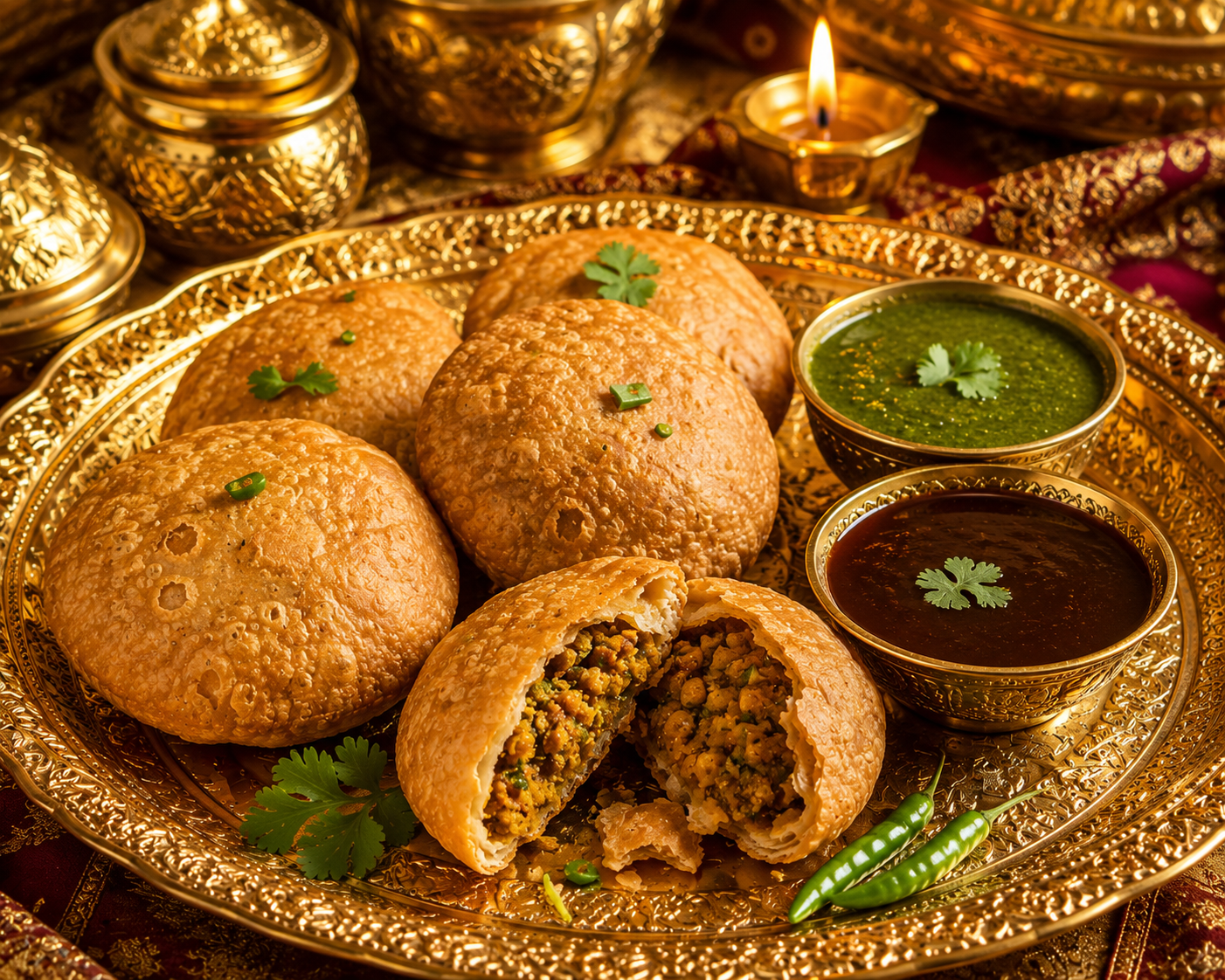
Learn how to make perfectly crispy, flaky, and flavorful Khasta Kachori at home with this detailed step-by-step recipe. These golden deep-fried pastries are stuffed with a spicy lentil filling and fried slowly until beautifully crisp. Perfect for breakfast, tea-time snacks, festivals, and special occasions, this authentic North Indian recipe delivers the same delicious taste found in famous sweet shops and street stalls.
Recipe Overview
Recipe Summary
Prep Time
45 Min
Cook Time
45 Min
Total Time
1 Hr 30 Min
Difficulty
Medium
Yield
12 Kachoris
Calories
260 kcal
About This Recipe
Kachori is one of India’s most beloved snacks, known for its crispy outer shell and flavorful spicy filling. Popular across Rajasthan, Uttar Pradesh, and many parts of North India, Khasta Kachori is often enjoyed with chutneys, yogurt, or a hot cup of tea.
The secret to perfect kachori lies in creating a flaky outer crust and a well-seasoned stuffing. Slow frying at the right temperature allows the kachori to develop its signature layers and golden color while remaining crisp for hours.
This authentic recipe guides you through every step, from preparing the dough and stuffing to shaping and frying the kachoris. Whether you’re making them for breakfast, festive celebrations, or evening snacks, these homemade kachoris are guaranteed to impress.
Why You’ll Love This Kachori Recipe
- Authentic halwai-style flavor and texture.
- Crispy, flaky, and perfectly golden every time.
- Detailed beginner-friendly instructions.
- Perfect for festivals and family gatherings.
- Rich, flavorful lentil filling.
- Stays crispy for hours.
- Pairs beautifully with chutneys and tea.
- Can be prepared ahead of time.
- Traditional North Indian recipe.
- Includes expert chef tips for success.
What Makes This Kachori Special?
Unlike many quick recipes, this traditional Khasta Kachori focuses on the techniques used by professional halwais. The dough contains the perfect amount of moyan (fat), the stuffing is carefully spiced, and the kachoris are fried slowly to achieve their signature flaky layers. The result is a crispy exterior, aromatic filling, and authentic taste that rivals your favorite sweet shop.
For the Dough
For the Moong Dal Filling
Optional Serving Accompaniments
Ingredient Substitutions
- Whole wheat flour can replace part of the all-purpose flour for a healthier version.
- Urad dal can be used instead of moong dal for a richer filling.
- Kasuri methi can be added for additional flavor.
- Asafoetida (hing) can be added for authentic North Indian taste.
- Lemon juice can replace dry mango powder (amchur).
- Cumin seeds can be added along with fennel seeds.
- Ghee can replace oil in the stuffing for a richer aroma.
- Green chilies can be added for extra heat.
- Store-bought chutneys can be used for convenience.
- Peas can be mixed into the stuffing for variation.
Step-by-Step Instructions
Soak the Moong Dal
Wash the moong dal thoroughly under running water until the water runs clear. Soak it in enough water for 2 to 3 hours. Once soaked, drain completely and set aside.
Proper soaking softens the lentils and helps create a flavorful stuffing with the right texture.
👨🍳 Chef Tip: Drain the dal completely after soaking. Excess water can make the filling sticky and difficult to work with.
Prepare the Dough
In a large mixing bowl combine flour, salt, and ghee. Rub the ghee thoroughly into the flour using your fingertips until the mixture resembles breadcrumbs. Gradually add water and knead into a soft dough.
The ghee creates layers in the dough and is responsible for the signature flaky texture of khasta kachori.
👨🍳 Chef Tip: Do not over-knead the dough. A slightly soft dough produces a lighter and flakier crust.
Rest the Dough
Cover the dough with a damp cloth and allow it to rest for at least 30 minutes.
Resting relaxes the gluten and makes the dough easier to shape without cracking.
👨🍳 Chef Tip: Never skip the resting period. It greatly improves the final texture.
Prepare the Filling Base
Pulse the soaked moong dal in a grinder until coarsely crushed. Avoid making a smooth paste.
A coarse texture provides the traditional stuffing consistency found in authentic kachoris.
👨🍳 Chef Tip: Pulse only a few times. Visible bits of dal create a much better texture.
Cook the Stuffing
Heat oil in a pan. Add fennel seeds and crushed coriander seeds. Sauté for a few seconds until aromatic. Add ginger and cook briefly. Stir in the crushed dal and cook over medium heat.
Cooking the stuffing removes moisture and develops deep flavors.
👨🍳 Chef Tip: Stir continuously to prevent the dal from sticking to the pan.
Season the Filling
Add red chili powder, garam masala, salt, and dry mango powder. Mix thoroughly and cook until the mixture becomes dry and crumbly.
A dry filling helps prevent the kachori from bursting during frying.
👨🍳 Chef Tip: The stuffing should feel dry when touched. Moist stuffing often causes cracks in the crust.
Cool the Filling Completely
Transfer the cooked stuffing to a plate and allow it to cool completely before using.
Hot stuffing releases steam inside the dough and may cause the kachori to break.
👨🍳 Chef Tip: Always cool the filling completely before stuffing.
Divide the Dough
After resting, divide the dough into 12 equal portions and roll them into smooth balls.
Equal-sized dough portions ensure uniform cooking and consistent presentation.
👨🍳 Chef Tip: Keep the dough covered while shaping to prevent drying.
Stuff the Kachoris
Flatten each dough ball slightly and create a small cup shape. Place a spoonful of stuffing in the center and carefully seal the edges.
Ensure the filling is completely enclosed inside the dough.
👨🍳 Chef Tip: Remove excess dough from the top while sealing for a balanced crust-to-filling ratio.
Shape the Kachoris
Gently flatten the stuffed balls using your palms to form thick discs. Do not apply excessive pressure.
Proper shaping helps the kachoris fry evenly and develop flaky layers.
👨🍳 Chef Tip: Never roll stuffed kachoris with a rolling pin. Gentle hand pressing works best.
Slow Fry the Kachoris
Heat oil over low to medium-low heat. Carefully add the kachoris and fry slowly until they become golden brown and crispy on all sides.
Slow frying is the secret behind authentic khasta kachori with crisp layers and an evenly cooked crust.
👨🍳 Chef Tip: Patience is key. High heat creates bubbles and leaves the inside undercooked.
Drain and Serve
Remove the kachoris and place them on paper towels to drain excess oil. Allow them to rest for a few minutes before serving.
Freshly fried kachoris are best enjoyed with tamarind chutney, green chutney, yogurt, or a hot cup of masala chai.
👨🍳 Chef Tip: Let the kachoris cool for 5 minutes before serving to allow the crust to become even crispier.
👨🍳 Pro Chef Secrets for Perfect Khasta Kachori
- Use enough ghee (moyan) in the dough for flaky layers.
- Always rest the dough before shaping.
- Keep the stuffing dry and crumbly.
- Cool the filling completely before stuffing.
- Seal the edges carefully to prevent leaks.
- Never roll stuffed kachoris with a rolling pin.
- Fry on low to medium-low heat only.
- Avoid overcrowding the frying pan.
- Turn the kachoris gently while frying.
- Allow fried kachoris to cool slightly before serving.
❌ Common Mistakes to Avoid
- Adding too much water while making the dough.
- Using insufficient ghee in the dough.
- Making the stuffing wet.
- Stuffing while the filling is still hot.
- Overfilling the kachoris.
- Not sealing the edges properly.
- Rolling the stuffed dough too thin.
- Frying at high temperature.
- Overcrowding the frying pan.
- Serving immediately without allowing them to rest briefly.
Popular Kachori Variations
- 🟡 Moong Dal Kachori
- 🫘 Urad Dal Kachori
- 🌶️ Pyaaz Kachori (Rajasthani Onion Kachori)
- 🥔 Aloo Kachori
- 🟢 Matar Kachori (Green Peas Kachori)
- 🥜 Dry Fruit Kachori
- 🧀 Paneer Kachori
- 🌽 Corn Kachori
- 🔥 Spicy Masala Kachori
- 🥣 Dahi Kachori Chaat
🍽️ Serving Suggestions
Serve hot and crispy kachoris with sweet tamarind chutney, spicy green chutney, or fresh yogurt. For a complete North Indian snack experience, pair them with masala chai. You can also transform them into a delicious kachori chaat by topping crushed kachoris with yogurt, chutneys, sev, chopped onions, coriander, and chaat masala.
🧊 Storage & Reheating
🧊 Refrigerator
Store cooled kachoris in an airtight container for up to 3 days.
❄️ Freezer
Freeze fried kachoris for up to 2 months. Thaw completely before reheating.
♨️ Reheating
Reheat in an oven, air fryer, or skillet until crisp and heated through. Avoid microwaving if possible, as it can soften the crust.
Make Ahead Tips
- Prepare the stuffing one day in advance.
- Store the dough covered in the refrigerator for up to 24 hours.
- Shape the kachoris ahead of time and refrigerate before frying.
- Prepare chutneys in advance for quick serving.
- Freeze uncooked kachoris for future use.
- Keep stuffing and dough separate until ready to assemble.
- Fry fresh for the best texture and flavor.
- Prepare a double batch for festivals and gatherings.
🥗 Nutrition Information (Approx. Per Kachori)
These values are approximate and may vary depending on ingredients, frying conditions, and serving size.
Calories
Protein
Carbohydrates
Fat
Fiber
Sodium
❤️ Health Highlights
- Moong dal provides plant-based protein.
- Contains dietary fiber that supports digestion.
- Offers long-lasting energy from carbohydrates.
- Homemade kachori allows complete control over ingredients.
- Can be made with less oil using an air fryer or baked version.
- Spices such as fennel and coriander contribute flavor without extra calories.
- Can be paired with yogurt for added protein and calcium.
- Perfect as an occasional festive treat when enjoyed in moderation.
💡 Did You Know?
Kachori has been enjoyed in India for centuries and is especially popular in Rajasthan and Uttar Pradesh. The famous Rajasthani Pyaaz Kachori and Khasta Kachori are known worldwide for their flaky texture and bold flavors. Traditionally, skilled halwais fry kachoris slowly for extended periods to achieve their signature crisp layers.
Frequently Asked Questions
Why did my kachori become soft instead of crispy?
This usually happens when the oil is too hot or the kachoris are not fried slowly enough.
Can I bake kachori instead of frying?
Yes. Bake at 180°C (350°F) until golden brown, though the texture will differ slightly from traditional fried kachori.
Why did my kachori crack while frying?
Cracks often occur due to wet stuffing, improper sealing, or dough that is too dry.
Can I make kachori ahead of time?
Yes. Kachoris stay crispy for several hours and can also be reheated successfully.
Which dal is best for kachori?
Moong dal is the most popular choice, but urad dal is also widely used.
How do I get flaky layers in kachori?
Use sufficient moyan (ghee or oil), avoid over-kneading, and fry slowly on low heat.
Can I freeze uncooked kachoris?
Yes. Freeze shaped kachoris on a tray and transfer them to freezer-safe bags once firm.
What chutneys pair best with kachori?
Sweet tamarind chutney and spicy coriander-mint chutney are classic accompaniments.
Can I use whole wheat flour?
Yes, though the texture will be slightly less flaky than traditional maida-based kachori.
How long does homemade kachori stay fresh?
When stored properly in an airtight container, kachoris remain fresh for 2–3 days.
Related Recipes You May Like
Why This Kachori Recipe Works
The secret behind this recipe is the perfect combination of a well-rested dough, generous moyan, flavorful dry stuffing, and slow frying. These traditional techniques create the flaky layers, crisp exterior, and rich taste that make authentic Khasta Kachori so irresistible. Follow the instructions carefully, especially the slow-frying process, and you’ll achieve bakery-quality kachoris every time.