Sambar Recipe | Authentic South Indian Vegetable Sambar
Learn how to make authentic South Indian Sambar with toor dal, fresh vegetables, tamarind, aromatic spices, and homemade sambar powder. This flavorful lentil-based stew is nutritious, comforting, and incredibly versatile. Perfect with idli, dosa, vada, uttapam, steamed rice, or pongal, this traditional recipe delivers restaurant-style taste with simple ingredients and easy step-by-step instructions.
Recipe Overview
Recipe Summary
Prep Time
20 Min
Cook Time
35 Min
Total Time
55 Min
Difficulty
Easy
Yield
6 Servings
Calories
210 kcal
About This Recipe
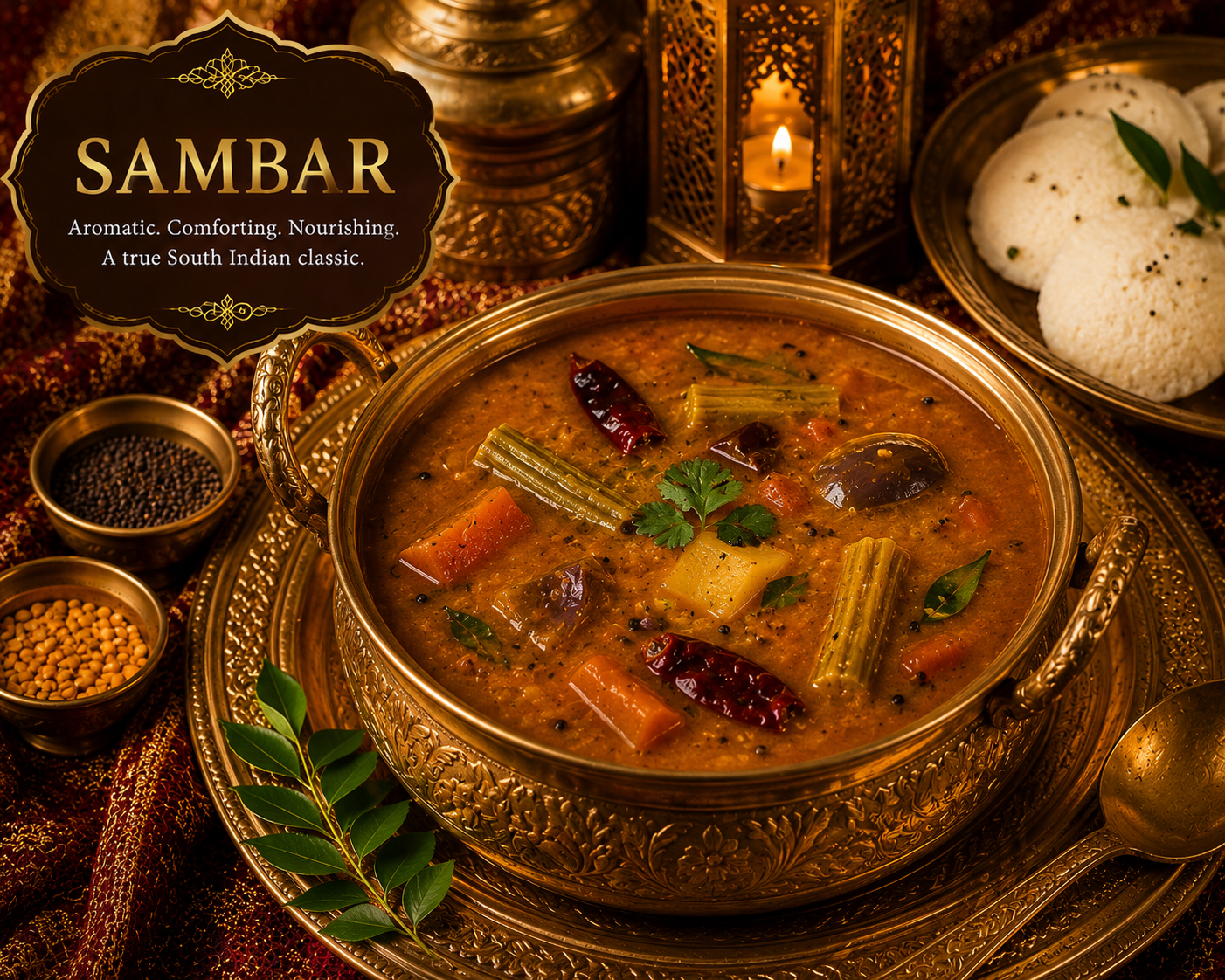
Sambar is one of the most iconic dishes of South Indian cuisine. Made with toor dal (split pigeon peas), vegetables, tamarind pulp, and aromatic spices, it offers the perfect balance of tangy, spicy, savory, and slightly sweet flavors.
Every South Indian household has its own version of sambar, using different vegetables and spice blends. This recipe follows a traditional approach that creates a rich, flavorful, and perfectly balanced sambar suitable for serving with breakfast dishes as well as rice-based meals.
The combination of protein-rich lentils, fresh vegetables, and flavorful spices makes sambar both nutritious and delicious. Whether paired with fluffy idlis or hot steamed rice, this classic dish remains a favorite across India.
Why You’ll Love This Sambar Recipe
- Authentic South Indian flavor.
- Packed with protein and fiber.
- Loaded with healthy vegetables.
- Perfect with idli, dosa, and rice.
- Easy to customize with seasonal vegetables.
- Naturally vegetarian and nutritious.
- Budget-friendly family meal.
- Great for meal preparation.
- Rich in traditional spices and aromas.
- Detailed beginner-friendly instructions.
What Makes This Sambar Special?
This recipe combines properly cooked toor dal, fresh vegetables, tangy tamarind, aromatic sambar powder, and a traditional South Indian tempering. The balance of flavors creates a restaurant-style sambar that’s rich, comforting, and incredibly satisfying.
For the Dal
Vegetables
For the Tamarind Base
Spices
For Tempering
Equipment Needed
Ingredient Substitutions
- Toor dal can be replaced partially with masoor dal or moong dal.
- Pearl onions can be replaced with regular onions.
- Drumsticks can be omitted if unavailable.
- Homemade sambar powder can be replaced with store-bought sambar powder.
- Tamarind paste can be used instead of whole tamarind.
- Ghee may replace oil for richer flavor.
- Pumpkin, radish, or bottle gourd can be added as extra vegetables.
- Fresh tomatoes can be replaced with canned tomatoes.
- Shallots can replace pearl onions for authentic flavor.
- A pinch of jaggery can be added to balance the tanginess.
Step-by-Step Instructions
Wash the Toor Dal
Rinse the toor dal thoroughly under running water.
Wash until the water runs mostly clear.
👨🍳 Chef Tip: Proper washing removes excess starch and impurities.
Pressure Cook the Dal
Add toor dal, turmeric, and water to a pressure cooker.
Cook until the dal becomes soft and mushy.
👨🍳 Chef Tip: Well-cooked dal creates the creamy base that defines good sambar.
Prepare the Tamarind
Soak tamarind in warm water for 15 minutes.
Squeeze well and strain the pulp.
👨🍳 Chef Tip: Straining removes fibers and seeds for a smoother sambar.
Prepare the Vegetables
Wash, peel, and cut all vegetables into medium-sized pieces.
Keep the sizes fairly uniform.
👨🍳 Chef Tip: Uniform pieces cook evenly and improve presentation.
Cook the Vegetables
Place vegetables in a large pot with enough water.
Cook until tender but not mushy.
👨🍳 Chef Tip: Overcooked vegetables can break apart and affect texture.
Add Tomatoes
Add chopped tomatoes to the vegetables.
Cook until softened.
👨🍳 Chef Tip: Tomatoes contribute sweetness and depth to the broth.
Mash the Dal
Open the pressure cooker and mash the cooked dal lightly.
Keep some texture while creating a smooth consistency.
👨🍳 Chef Tip: A partially mashed dal gives authentic restaurant-style texture.
Combine Dal and Vegetables
Add the cooked dal to the vegetable mixture.
Mix thoroughly until well combined.
👨🍳 Chef Tip: Stir gently to keep vegetables intact.
Add Tamarind Pulp
Pour the strained tamarind extract into the pot.
Mix well.
👨🍳 Chef Tip: Add tamarind only after vegetables soften to ensure proper cooking.
Add Sambar Powder and Spices
Add sambar powder, coriander powder, chili powder, and salt.
Mix thoroughly.
👨🍳 Chef Tip: Quality sambar powder greatly influences the final flavor.
Simmer the Sambar
Allow the sambar to simmer gently for 10–15 minutes.
Stir occasionally.
👨🍳 Chef Tip: Simmering allows all flavors to blend beautifully.
Prepare the Tempering
Heat oil or ghee in a small pan.
Add mustard seeds and allow them to crackle.
👨🍳 Chef Tip: Properly crackled mustard seeds provide authentic South Indian aroma.
Add Curry Leaves and Hing
Add curry leaves, dry red chilies, and asafoetida.
Cook briefly until fragrant.
👨🍳 Chef Tip: Keep your face away from the pan as curry leaves may splutter.
Finish and Serve
Pour the hot tempering over the simmering sambar.
Mix gently and garnish with fresh coriander leaves.
👨🍳 Chef Tip: Add the tempering just before serving for maximum aroma and flavor.
👨🍳 Authentic South Indian Sambar Secrets
- Cook the dal until completely soft.
- Use fresh tamarind for authentic tanginess.
- Choose seasonal vegetables.
- Use quality sambar powder.
- Do not overcook the vegetables.
- Simmer long enough for flavors to develop.
- Add tamarind after vegetables soften.
- Prepare fresh tempering every time.
- Use curry leaves generously.
- Serve hot for the best taste.
🌰 Tamarind Preparation Guide
The perfect sambar should have balanced tanginess that complements the lentils and vegetables without overpowering them.
🥣 Perfect Sambar Consistency Guide
Traditional sambar should be slightly thick but pourable. It should coat the spoon lightly while still flowing easily when served over rice, idli, or dosa.
Add hot water gradually if the sambar becomes too thick during simmering.
🔥 Traditional South Indian Tempering Technique
Tempering, also known as tadka, is one of the most important steps in making authentic sambar. Mustard seeds, curry leaves, red chilies, and hing are briefly fried in hot oil or ghee before being poured over the prepared sambar.
This final step releases aromatic oils and gives the dish its characteristic South Indian flavor.
❌ Common Mistakes to Avoid
- Undercooking the dal.
- Adding tamarind too early.
- Using too much tamarind.
- Overcooking vegetables.
- Skipping the tempering.
- Using stale sambar powder.
- Making the sambar too thick.
- Not simmering long enough.
- Using insufficient salt.
- Serving without fresh garnish.
Popular Sambar Variations
- 🥣 Traditional Tamil Nadu Sambar
- 🌶️ Karnataka Style Sambar
- 🥕 Mixed Vegetable Sambar
- 🧅 Onion Sambar
- 🍅 Tomato Sambar
- 🥒 Drumstick Sambar
- 🎃 Pumpkin Sambar
- 🌿 Kerala Style Sambar
- 🍚 Rice Sambar
- 🥞 Tiffin Sambar (Idli & Dosa Sambar)
🍽️ Serving Suggestions
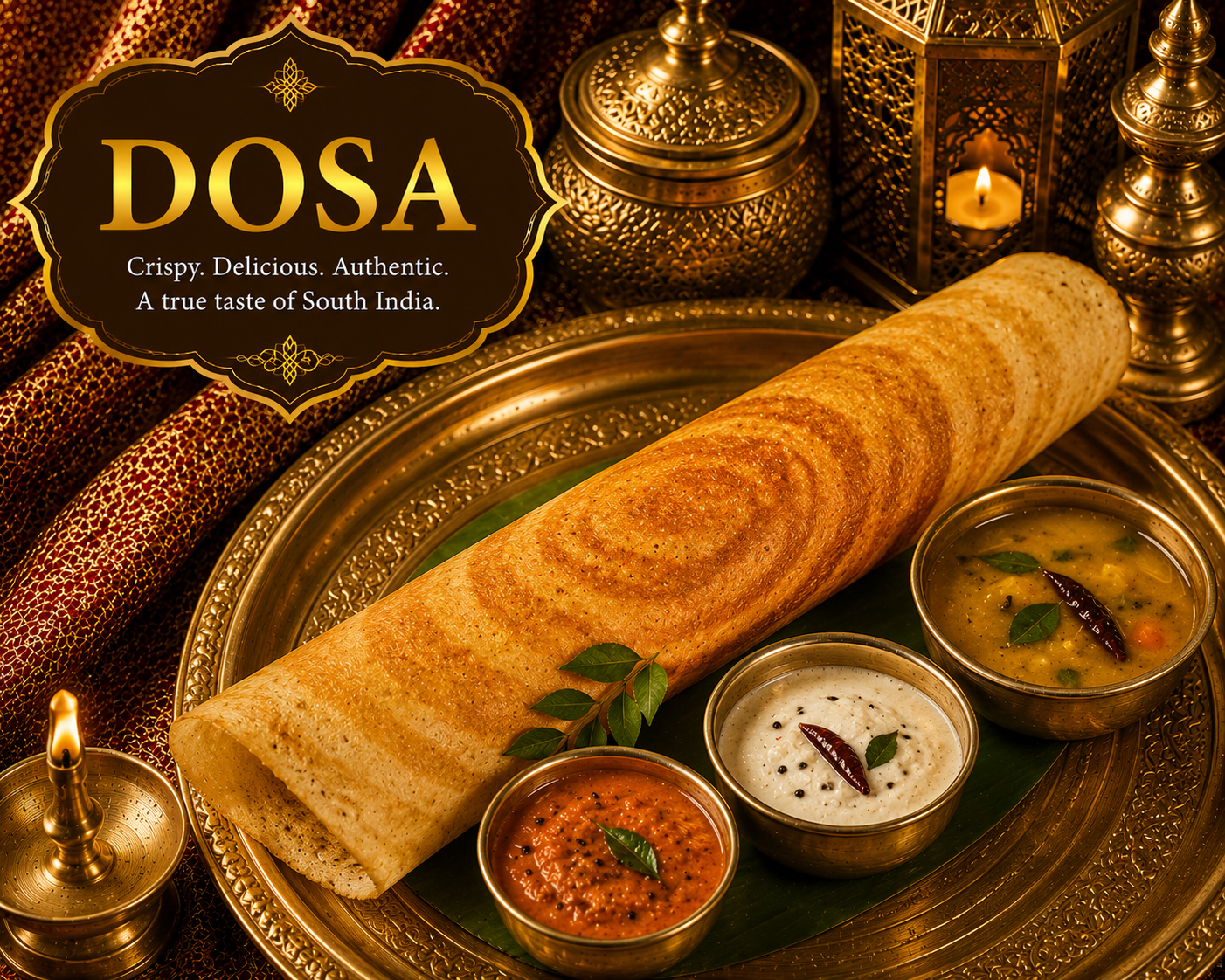
Serve hot sambar with fluffy idlis, crispy dosa, medu vada, uttapam, pongal, steamed rice, or ghee rice. Pair it with coconut chutney, tomato chutney, or pickle for a complete South Indian meal.
🧊 Storage & Reheating Guide
🧊 Refrigerator
Store in an airtight container for up to 4 days.
❄️ Freezer
Freeze for up to 2 months in freezer-safe containers.
🔥 Reheating
Reheat on medium-low heat and add a little hot water if the sambar thickens.
Make Ahead Tips
- Cook the dal a day in advance.
- Prepare vegetables beforehand.
- Make tamarind extract ahead of time.
- Store homemade sambar powder in an airtight jar.
- Prepare the sambar base and refrigerate.
- Add tempering just before serving.
- Freeze portions for quick meals.
- Sambar often tastes better the next day.
🥗 Nutrition Information (Approx. Per Serving)
Nutritional values are approximate and may vary depending on ingredients used.
Calories
Protein
Carbohydrates
Fat
Fiber
Sodium
❤️ Health Highlights
- Rich source of plant-based protein.
- High in dietary fiber.
- Loaded with vegetables and nutrients.
- Contains essential vitamins and minerals.
- Supports digestive health.
- Naturally vegetarian and wholesome.
- Provides long-lasting satiety.
- Can be part of a balanced diet.
💡 Did You Know?
Sambar is believed to have originated in South India several centuries ago and is now one of the most recognizable dishes of Indian cuisine worldwide. Every region has its own unique version, using different vegetables, spice blends, and cooking techniques.
Frequently Asked Questions
Can I make sambar without tamarind?
Yes, but tamarind provides the authentic tangy flavor. You may substitute it with a small amount of lemon juice if necessary.
Which dal is best for sambar?
Toor dal (split pigeon peas) is traditionally used and provides the classic flavor and texture.
Can I use frozen vegetables?
Yes, although fresh vegetables usually provide the best flavor and texture.
Why is my sambar too thick?
The dal may have absorbed excess liquid. Simply add hot water and adjust seasoning.
Can I make sambar in an Instant Pot?
Yes, an Instant Pot works very well and significantly reduces cooking time.
What vegetables are commonly used in sambar?
Drumstick, carrot, pumpkin, brinjal, radish, onion, and tomatoes are popular choices.
Why does my sambar taste bitter?
Too much fenugreek or overcooked spices can sometimes introduce bitterness.
Can I freeze leftover sambar?
Yes, sambar freezes very well and retains most of its flavor after reheating.
What is tiffin sambar?
Tiffin sambar is a slightly thinner, mildly sweet version commonly served with idli and dosa.
Why is tempering important?
Tempering releases essential aromatic oils from spices and gives sambar its characteristic South Indian flavor.
Related Recipes You May Like
Why This Sambar Recipe Works
This recipe follows traditional South Indian cooking methods, combining properly cooked toor dal, fresh vegetables, tangy tamarind, flavorful sambar powder, and aromatic tempering. The result is a perfectly balanced sambar that is rich, comforting, and authentic.
🌟 Expert Serving Tip
For authentic South Indian flavor, drizzle a teaspoon of ghee over hot sambar just before serving. This simple step enhances both aroma and richness.
Chef’s Final Note
Sambar is more than just a lentil stew—it’s a cornerstone of South Indian cuisine. Focus on balancing the tanginess of tamarind, the richness of dal, and the aroma of freshly prepared tempering. With these simple techniques, you’ll create a delicious homemade sambar that rivals your favorite restaurant version.