Basil (Tulsi): The Complete Guide to India’s Sacred and Aromatic Herb
Discover everything about Basil (Tulsi), one of India’s most cherished aromatic herbs. Learn about its history, botanical origin, nutritional profile, popular varieties, cultivation, culinary uses, traditional significance, storage tips, quality identification, buying guide and much more. This comprehensive guide explains why Tulsi continues to hold a special place in Indian homes, gardens and kitchens.
Quick Facts About Basil (Tulsi)
🌿 Scientific Name
Ocimum tenuiflorum (Holy Basil / Tulsi)
🏠 Plant Family
Lamiaceae (Mint Family)
🇮🇳 Hindi Name
Tulsi (तुलसी)
🌏 Other Regional Names
Thulasi, Tulasi, Tulashi, Tulsi, Holy Basil
🌍 Native Region
Indian Subcontinent & Southeast Asia
🌱 Plant Type
Perennial Aromatic Herb
🎨 Leaf Colour
Green to Purple (Variety Dependent)
👃 Aroma
Fresh, Sweet, Peppery & Clove-like
🍃 Taste
Warm, Slightly Peppery with Herbal Notes
☀️ Growing Climate
Warm Tropical & Subtropical Climate
🌾 Harvest Season
Multiple Harvests Throughout the Growing Season
📦 Shelf Life
Fresh: 5–10 Days | Dried: Up to 12 Months (Properly Stored)
⭐ Main Aroma Compounds
Eugenol, Linalool, Methyl Eugenol & Caryophyllene
🍛 Common Culinary Uses
Herbal Tea, Chutneys, Soups, Curries, Salads, Spice Blends & Herbal Infusions
What is Basil (Tulsi)?
Basil (Tulsi), scientifically known as Ocimum tenuiflorum, is one of the most cherished aromatic herbs in India. A member of the Lamiaceae (Mint) family, Tulsi is admired for its fragrant leaves, refreshing aroma and remarkable versatility in culinary, cultural and traditional practices.
Tulsi is widely cultivated in home gardens, farms and herbal plantations across India. Its leaves are used fresh or dried in herbal teas, chutneys, soups, spice blends and a variety of traditional recipes. The herb is known for its pleasant peppery, slightly sweet flavour and naturally aromatic essential oils.
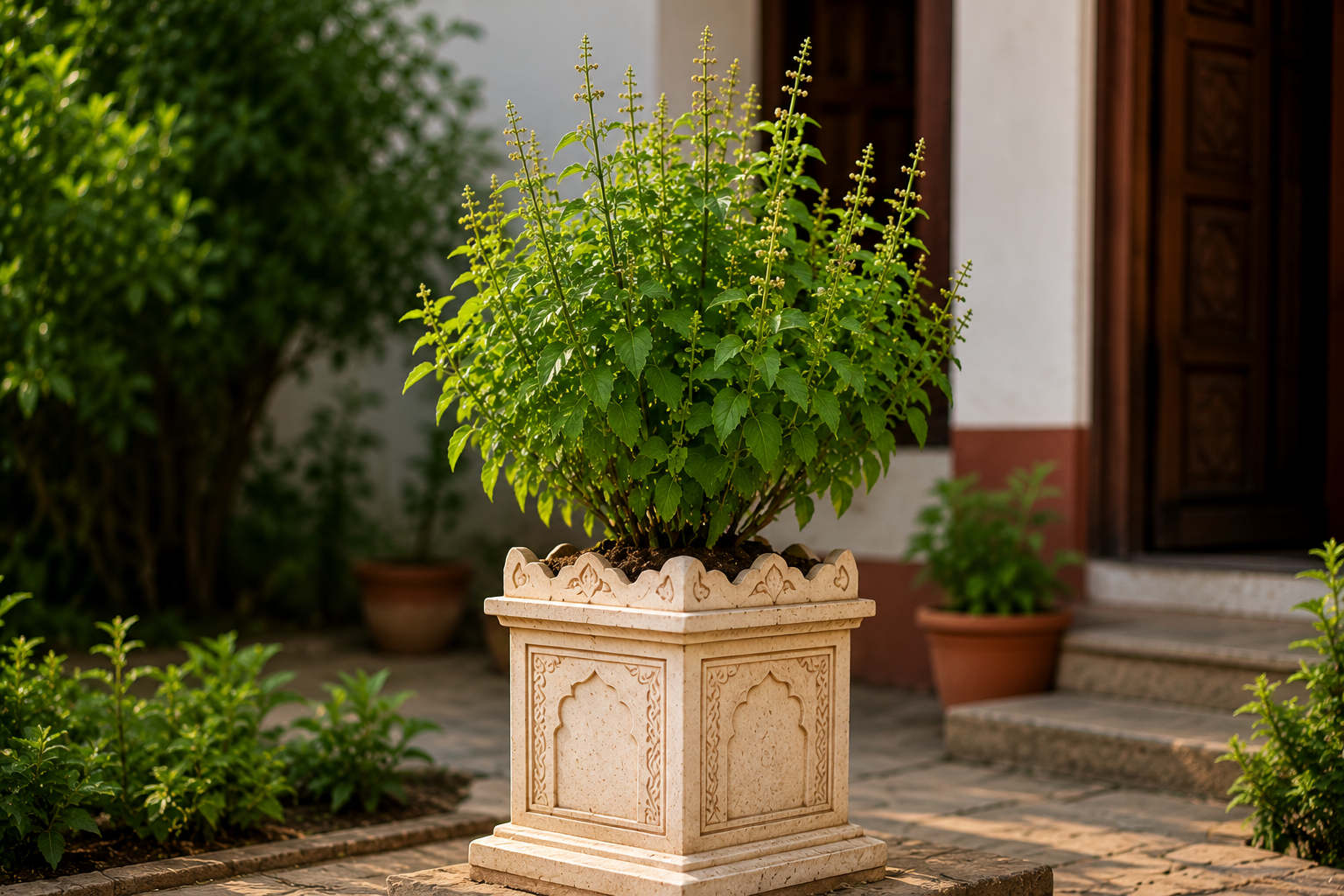
Beyond the kitchen, Tulsi has long been regarded as an important part of Indian heritage and is commonly grown in courtyards and gardens. Its refreshing fragrance and year-round greenery make it one of the most recognized herbs in the country.
History & Origin of Basil (Tulsi)
Tulsi is believed to have originated in the Indian subcontinent, where it has been cultivated for thousands of years. Historical records and traditional literature describe Tulsi as one of India’s most valued aromatic herbs, appreciated for both its culinary and cultural significance.
Over time, Tulsi spread throughout Southeast Asia and eventually reached many other parts of the world. Today, different varieties of basil are cultivated across Asia, Europe, Africa and the Americas, while Holy Basil (Tulsi) continues to be closely associated with Indian traditions.
Modern cultivation methods and increasing global demand have made Tulsi an important herb for home gardeners, commercial growers and the food industry, while preserving its rich heritage and traditional importance.
🌿 Cultural & Traditional Importance
Tulsi has held a special place in Indian culture for centuries. Many households grow the plant in gardens or courtyards, where it is appreciated for its pleasant fragrance, attractive appearance and deep cultural significance.
The herb has been mentioned in ancient Indian literature and has traditionally been associated with purity, hospitality and everyday household life. Its presence in homes reflects India’s long-standing appreciation for aromatic herbs and sustainable gardening practices.
Today, Tulsi continues to be cultivated across the country not only for its traditional importance but also for its culinary versatility and ornamental value, making it one of India’s most beloved herbs.
Why is Basil (Tulsi) So Special?
Tulsi stands out because of its unique combination of refreshing aroma, attractive foliage and exceptional versatility. Its leaves contain naturally occurring aromatic compounds such as eugenol and linalool, which contribute to its pleasant herbal fragrance and distinctive flavour.
Unlike many culinary herbs that are used only for cooking, Tulsi is valued in kitchens, home gardens and traditional lifestyles alike. Fresh leaves can be added to herbal beverages, soups, chutneys and spice blends, while dried leaves are commonly used in teas and herbal infusions.
Easy to grow, visually appealing and highly aromatic, Tulsi has remained a favourite herb for generations. Its rich heritage, culinary adaptability and refreshing character continue to make it an essential part of Indian households and an increasingly popular herb around the world.
Nutritional Information
Calories
23 kcal
Protein
3.2 g
Carbohydrates
2.7 g
Dietary Fiber
1.6 g
Fat
0.6 g
Calcium
177 mg
Iron
3.2 mg
Potassium
295 mg
Magnesium
64 mg
Vitamin C
18 mg
*Approximate nutritional values per 100 grams of fresh Basil (Tulsi) leaves. Actual values may vary depending on the variety, growing conditions, soil quality and harvesting practices.
🌿 Natural Aroma & Active Compounds
Basil (Tulsi) is naturally rich in aromatic essential oils that give the herb its refreshing fragrance and distinctive flavour. Among the most prominent compounds are eugenol, linalool, methyl eugenol and caryophyllene, each contributing to Tulsi’s characteristic herbal aroma.
In addition to its essential oils, Tulsi contains naturally occurring flavonoids, phenolic compounds and other plant-based constituents that enhance its nutritional profile and make it a valued herb in culinary traditions around the world.
Popular Types of Basil (Tulsi)
🌿 Rama Tulsi
Recognized by its bright green leaves, mild aroma and widespread cultivation across India for household and culinary use.
💜 Krishna Tulsi
Features purple-green leaves with a stronger aroma and a slightly more intense flavour than Rama Tulsi.
🌳 Vana Tulsi
A naturally growing variety known for its vigorous growth, larger leaves and refreshing herbal fragrance.
🍃 Sweet Basil
Popular in Mediterranean cuisine, Sweet Basil has broad green leaves and a sweet, slightly peppery flavour.
🌱 Thai Basil
Distinguished by its narrow leaves and mild anise-like aroma, commonly used in Southeast Asian dishes.
⭐ Organic Tulsi
Grown using certified organic farming practices for consumers seeking naturally cultivated herbs.
Comparison of Popular Basil (Tulsi) Varieties
| Variety | Leaf Colour | Aroma | Common Uses |
|---|---|---|---|
| Rama Tulsi | Bright Green | Mild & Fresh | Herbal Tea, Home Gardens & Everyday Culinary Use |
| Krishna Tulsi | Purple-Green | Strong & Peppery | Traditional Preparations & Herbal Infusions |
| Vana Tulsi | Light Green | Fresh & Woody | Herbal Beverages & Aromatic Gardens |
| Sweet Basil | Green | Sweet & Mild | Pasta, Pizza, Salads & Pesto |
| Thai Basil | Green | Licorice-like | Asian Cuisine, Stir-fries & Soups |
| Organic Tulsi | Varies | Natural Herbal Aroma | Premium Culinary & Herbal Uses |
Major Basil (Tulsi) Producing States in India
- 🌿 Uttar Pradesh
- 🌿 Madhya Pradesh
- 🌿 Rajasthan
- 🌿 Gujarat
- 🌿 Maharashtra
- 🌿 Karnataka
- 🌿 Tamil Nadu
- 🌿 Andhra Pradesh
- 🌿 Telangana
- 🌿 West Bengal
India is one of the world’s leading cultivators of Basil (Tulsi). The herb is grown extensively in home gardens, commercial farms and herbal plantations across the country. Favorable climatic conditions and traditional cultivation practices contribute to the production of aromatic, high-quality Tulsi leaves.
Ideal Climate for Growing Basil (Tulsi)
Tulsi grows best in a warm tropical and subtropical climate with abundant sunlight and moderate rainfall. The plant thrives at temperatures ranging from 20°C to 35°C and prefers well-drained, fertile loamy soil rich in organic matter.
Although Tulsi can tolerate short dry periods, regular watering and good drainage help maintain healthy growth and vibrant foliage. Frost and prolonged waterlogging can negatively affect the plant’s development.
With proper care, Tulsi can be harvested multiple times throughout the growing season, making it an excellent herb for both home gardens and commercial cultivation.
How Basil (Tulsi) is Grown
Seed Selection
Healthy, high-quality seeds or saplings are selected to ensure vigorous plant growth and aromatic leaves.
Land Preparation
The soil is loosened and enriched with compost or organic manure to provide a fertile growing environment.
Planting
Seeds are sown or seedlings are transplanted with adequate spacing to promote healthy branching and air circulation.
Plant Care
Regular irrigation, weeding and occasional pruning encourage continuous growth and abundant leaf production.
Harvesting
Mature leaves are harvested carefully by hand several times during the growing season while preserving the plant’s health.
Drying & Packaging
The harvested leaves are cleaned, gently dried under controlled conditions and hygienically packed to preserve freshness and aroma.
🌿 From Farm to Kitchen
🌱 Sustainable Cultivation Practices
Many Tulsi growers are adopting environmentally responsible farming methods such as organic manure application, efficient irrigation, crop rotation and natural pest management. These practices help maintain soil fertility while supporting long-term agricultural sustainability.
Responsible harvesting, careful drying and hygienic packaging help preserve the herb’s natural colour, pleasant aroma and overall quality before it reaches consumers. These quality-focused practices ensure that Basil (Tulsi) retains its freshness and culinary value throughout the supply chain.
Highlights of Basil (Tulsi)
Naturally Aromatic
Tulsi is prized for its refreshing herbal fragrance, making it one of the most recognizable aromatic herbs in Indian households.
Rich in Essential Oils
The leaves naturally contain aromatic compounds such as eugenol and linalool that contribute to their distinctive flavour and aroma.
Nutrient-Rich Herb
Fresh Tulsi leaves contain dietary fibre along with naturally occurring vitamins, minerals and plant-based compounds.
Perfect for Herbal Beverages
Fresh and dried Tulsi leaves are commonly used in herbal teas, infusions and refreshing beverages.
Versatile Culinary Herb
Suitable for soups, chutneys, curries, salads, spice blends and a variety of traditional and modern recipes.
Globally Appreciated
Basil varieties are cultivated worldwide and valued across Indian, Mediterranean and Southeast Asian cuisines.
Easy to Grow
Tulsi adapts well to pots, balconies, terraces and gardens, making it a favourite herb for home cultivation.
Available Fresh & Dried
The herb can be enjoyed throughout the year in fresh leaves, dried leaves and powdered forms.
Rich Culinary Heritage
Tulsi has been an integral part of Indian culinary traditions and household gardens for generations.
Chef’s Favourite
Professional chefs value basil for its fresh aroma and its ability to enhance both traditional and contemporary dishes.
Suitable for Plant-Based Diets
Tulsi is naturally suitable for vegetarian and vegan recipes, making it a versatile culinary ingredient.
Everyday Kitchen Essential
Its pleasant aroma and versatility make Tulsi a popular herb for daily cooking and herbal preparations.
🌿 Basil (Tulsi) in Ayurveda
Tulsi has been mentioned in Ayurveda and traditional Indian literature for centuries, where it is appreciated as one of the country’s most valued aromatic herbs. It has long been incorporated into everyday lifestyles and culinary traditions, particularly in herbal beverages and home cooking.
Fresh Tulsi leaves are commonly used in herbal teas, infused water, chutneys and traditional recipes, while dried leaves are frequently included in herbal blends. Their refreshing aroma also makes Tulsi a popular addition to home gardens and kitchen herb collections.
🌿 Botanical Family
Lamiaceae (Mint Family)
⭐ Signature Compounds
Eugenol & Linalool
🍵 Popular Use
Herbal Tea & Infusions
🍛 Culinary Uses
Soups, Chutneys & Salads
🏡 Commonly Grown
Home Gardens & Courtyards
🌱 Plant Type
Perennial Aromatic Herb
🌍 Native Region
Indian Subcontinent
📜 Traditional Importance
Deeply Rooted in Indian Heritage
🌟 Why Basil (Tulsi) is Popular
Tulsi has remained one of India’s most cherished herbs because of its refreshing aroma, culinary versatility and deep cultural significance. Whether enjoyed fresh from the garden or dried for year-round use, its distinctive flavour enhances a wide variety of beverages and recipes.
The herb blends well with ingredients such as ginger, mint, lemon, black pepper and honey in traditional preparations, while also complementing soups, salads, chutneys and spice blends. Its adaptability allows it to be used in both Indian and international cuisines.
From household gardens to commercial herb farms, Tulsi continues to be cultivated across the world. Its attractive appearance, pleasant fragrance and versatility ensure that it remains one of the most valued herbs for home cooks, gardeners and professional chefs alike.
🍽️ Culinary Uses of Basil (Tulsi)
- Fresh Tulsi leaves are commonly used to prepare herbal tea and warm infusions.
- The leaves add a pleasant herbal aroma to soups, broths and light curries.
- Tulsi can be blended into fresh chutneys with mint, coriander, ginger and green chilies.
- Young leaves are used as a garnish for salads, sandwiches and rice dishes.
- Dried Tulsi leaves can be added to herbal seasoning mixes and spice blends.
- Fresh leaves pair well with lemon, honey, ginger and black pepper in beverages.
- Some regional recipes use Tulsi leaves to add freshness to vegetable dishes.
- The herb complements tomatoes, cucumber and yogurt-based preparations.
- Tulsi is also used in fusion recipes including herbal pasta, sauces and homemade dressings.
- Only a small quantity is required because of its naturally aromatic flavour.
🍵 Popular Herbal Beverage Uses
🏡 Traditional Household Uses
- Tulsi is widely grown in home gardens because of its pleasant fragrance and attractive appearance.
- Fresh leaves are commonly harvested for daily herbal beverages and cooking.
- The plant is often cultivated in pots, balconies and courtyards.
- Dried Tulsi leaves are stored in airtight containers for year-round use.
- The herb is frequently included in kitchen herb gardens alongside mint, coriander and curry leaves.
- Its refreshing aroma makes it a popular choice for home herb collections.
- Fresh leaves are often used immediately after harvesting for maximum flavour.
- Regular pruning encourages healthy growth and fuller plants.
🥄 How to Use Basil (Tulsi)
- Wash fresh leaves thoroughly before using them in recipes or beverages.
- Add fresh Tulsi near the end of cooking to preserve its delicate aroma.
- Use dried leaves for herbal teas, spice blends and seasoning mixes.
- Combine Tulsi with mint, ginger or lemon for refreshing herbal infusions.
- Chop fresh leaves finely before adding them to salads and chutneys.
- Store fresh leaves in the refrigerator if they will be used within a few days.
- Dry extra leaves in a shaded, well-ventilated area for longer storage.
- Use clean scissors or garden shears while harvesting to avoid damaging the plant.
- Harvest leaves regularly to encourage new growth.
- Use fresh leaves whenever possible for the brightest flavour and aroma.
🍃 Recommended Daily Use
Basil (Tulsi) is commonly enjoyed in everyday culinary quantities as part of a balanced diet. Fresh leaves may be used in herbal beverages, salads, soups and other recipes according to personal preference and the specific dish being prepared.
If you are pregnant, breastfeeding, taking prescription medications or have a medical condition, consult a qualified healthcare professional before consuming concentrated Tulsi extracts, supplements or making significant dietary changes.
👨🍳 Chef’s Tip
For the freshest flavour, add Basil (Tulsi) leaves towards the end of cooking rather than at the beginning. Prolonged heating can reduce the herb’s delicate aroma. If preparing herbal tea or infusions, gently steep the leaves in hot water for a few minutes instead of boiling them vigorously to preserve their natural fragrance.
⚠️ Possible Side Effects of Excess Consumption
- Consuming excessive amounts of Tulsi may cause stomach discomfort in some individuals.
- People who are allergic to basil or other herbs from the mint family may experience allergic reactions.
- Concentrated Tulsi extracts and supplements should only be used according to the manufacturer’s instructions or professional advice.
- Large quantities of fresh or dried Tulsi are generally unnecessary for everyday culinary use.
- Some individuals may experience sensitivity when introducing Tulsi into their diet for the first time.
- If you notice itching, swelling, skin irritation or difficulty breathing after consuming Tulsi, discontinue use immediately and seek medical attention.
- Always purchase food-grade Tulsi from reputable suppliers to ensure quality and safety.
- Using Tulsi in normal culinary quantities is generally preferred over excessive consumption.
🚫 Who Should Be Careful?
- Individuals with a known allergy to basil or herbs from the mint family should avoid Tulsi.
- Pregnant or breastfeeding women should consult a qualified healthcare professional before using concentrated Tulsi supplements or extracts.
- People taking prescription medications should seek medical advice before using herbal supplements containing Tulsi.
- Individuals with existing medical conditions should consult their healthcare provider before making significant dietary changes.
- Young children should consume Tulsi in normal culinary quantities unless advised otherwise by a healthcare professional.
- Anyone following a medically prescribed diet should consult their healthcare provider before introducing concentrated herbal products.
📦 Storage Tips
- Store fresh Tulsi leaves in the refrigerator and use them within a few days for the best flavour.
- Keep dried Tulsi leaves in an airtight container away from heat, moisture and direct sunlight.
- Always use a clean, dry spoon when handling dried Tulsi.
- Avoid exposing dried leaves to humidity, as moisture can reduce quality and aroma.
- Close the storage container immediately after each use.
- Store dried Tulsi separately from strong-smelling spices to preserve its natural fragrance.
- Check the product periodically for freshness, colour and expiry date.
- Proper storage helps maintain the herb’s aroma, colour and overall quality for a longer period.
How to Identify Good Quality Basil (Tulsi)
Premium-quality Tulsi should have a fresh herbal aroma, vibrant natural colour and clean leaves free from dust, mould or excess moisture. Whether purchasing fresh or dried Tulsi, choosing hygienically packed products helps ensure better freshness, flavour and overall quality.
👃 Aroma
Fresh Tulsi should have a pleasant herbal fragrance. Dried leaves should still retain a noticeable natural aroma.
🍃 Appearance
Leaves should appear clean, naturally coloured and free from yellowing, mould or excessive breakage.
✨ Purity
Choose products that are free from dust, stems, insects, foreign particles and visible contamination.
📦 Packaging
Select airtight, food-grade packaging that protects the herb from moisture, light and environmental exposure.
🧪 Simple Home Quality Checks
Smell the Leaves
Fresh or dried Tulsi should have a pleasant herbal fragrance. A weak aroma may indicate old stock.
Inspect the Colour
Healthy leaves should retain their natural green or purple-green colour depending on the variety.
Check the Texture
Dried leaves should feel crisp and dry, while fresh leaves should appear firm and not wilted.
Read the Label
Check the manufacturing date, expiry date, ingredient list, packaging seal and storage instructions before purchasing.
🛒 Buying Guide
- Purchase Tulsi from trusted brands, certified growers or reputable grocery stores.
- Choose fresh leaves that are vibrant, clean and free from yellowing or wilting.
- When buying dried Tulsi, prefer hygienically packed products with airtight packaging.
- Check the manufacturing and best-before dates before purchasing.
- Select food-grade products that meet applicable quality standards.
- Avoid herbs showing signs of moisture, mould or contamination.
- Buy only the quantity you expect to use while the herb remains fresh.
- Store Tulsi properly after opening to preserve its aroma, flavour and quality.
🌍 India’s Position in the Global Basil (Tulsi) Market
India is widely recognized as the traditional home of Basil (Tulsi) and remains one of the leading producers of Holy Basil. The country’s diverse climatic conditions, centuries-old cultivation practices and increasing commercial farming have made India an important supplier of fresh, dried and processed Tulsi products for domestic and international markets.
Tulsi is cultivated across several Indian states for culinary, aromatic and commercial purposes. Farmers harvest the leaves multiple times during the growing season, allowing a continuous supply of fresh and dried herbs while maintaining high quality standards.
Growing international interest in aromatic herbs has increased the demand for Indian Tulsi, making it an important agricultural and export crop for the country’s herb industry.
🌎 Major Export Destinations for Indian Tulsi
- 🇺🇸 United States
- 🇨🇦 Canada
- 🇬🇧 United Kingdom
- 🇩🇪 Germany
- 🇫🇷 France
- 🇮🇹 Italy
- 🇦🇪 United Arab Emirates
- 🇦🇺 Australia
- 🇯🇵 Japan
- 🇸🇬 Singapore
- 🇲🇾 Malaysia
- 🇳🇿 New Zealand
Indian Tulsi is exported in fresh, dried, powdered and processed forms to numerous countries, where it is appreciated for its pleasant aroma, culinary versatility and premium quality.
💡 Did You Know?
- Tulsi belongs to the Lamiaceae (Mint) family, which also includes mint, rosemary, sage and oregano.
- The scientific name of Holy Basil is Ocimum tenuiflorum.
- India is considered the traditional home of Tulsi and remains one of its largest cultivators.
- Tulsi can be harvested multiple times in a single growing season.
- More than one variety of Tulsi is cultivated, including Rama, Krishna and Vana Tulsi.
- Fresh leaves are commonly used in herbal teas, chutneys and aromatic culinary preparations.
- Tulsi grows well in pots, balconies, terraces and home gardens with adequate sunlight.
- The herb’s distinctive aroma comes from naturally occurring essential oils such as eugenol and linalool.
- Dried Tulsi leaves retain their aroma for several months when stored correctly.
- Tulsi is appreciated worldwide for its pleasant fragrance, culinary versatility and cultural significance.
Frequently Asked Questions
What is Basil (Tulsi)?
Basil (Tulsi) is an aromatic perennial herb belonging to the mint family (Lamiaceae). It is widely cultivated in India for its fragrant leaves and culinary versatility.
Is Tulsi the same as Sweet Basil?
No. Tulsi (Holy Basil) and Sweet Basil belong to the same genus but are different species with distinct aromas, flavours and culinary uses.
Can Tulsi be grown at home?
Yes. Tulsi grows well in pots, balconies, terraces and gardens when provided with sunlight, well-drained soil and regular watering.
Can Tulsi leaves be used fresh and dried?
Yes. Fresh leaves are commonly used in beverages and recipes, while dried leaves are suitable for herbal teas, seasonings and long-term storage.
How should Tulsi be stored?
Fresh leaves should be refrigerated and used within a few days. Dried leaves should be stored in an airtight container away from moisture, heat and direct sunlight.
Which Tulsi variety is most common?
Rama Tulsi is one of the most commonly cultivated varieties, while Krishna Tulsi and Vana Tulsi are also widely grown.
What gives Tulsi its pleasant aroma?
Tulsi contains naturally occurring aromatic compounds, including eugenol and linalool, which contribute to its refreshing fragrance.
Can Tulsi be used in cooking?
Yes. Tulsi can be used in herbal teas, soups, chutneys, salads, infused beverages and selected traditional recipes.
How long do dried Tulsi leaves stay fresh?
When stored properly in an airtight container, dried Tulsi leaves generally maintain good quality for up to 12 months.
Why is Tulsi so popular in India?
Tulsi is appreciated for its refreshing aroma, culinary versatility, ease of cultivation and deep cultural significance, making it one of India’s most cherished herbs.
📖 Final Thoughts
Basil (Tulsi) is much more than an aromatic herb—it is an important part of India’s culinary traditions, home gardens and cultural heritage. Its refreshing fragrance, pleasant flavour and versatility have made it a favourite ingredient in kitchens around the world.
From herbal beverages and fresh chutneys to soups, salads and seasoning blends, Tulsi offers countless possibilities for enhancing everyday cooking. Choosing high-quality leaves, storing them properly and using them at the right stage of cooking helps preserve their natural aroma and flavour.
As interest in aromatic herbs continues to grow globally, Basil (Tulsi) remains one of the most valued herbs for home cooks, gardeners and culinary professionals alike. Its timeless appeal ensures that it will continue to enrich recipes and lifestyles for generations to come.