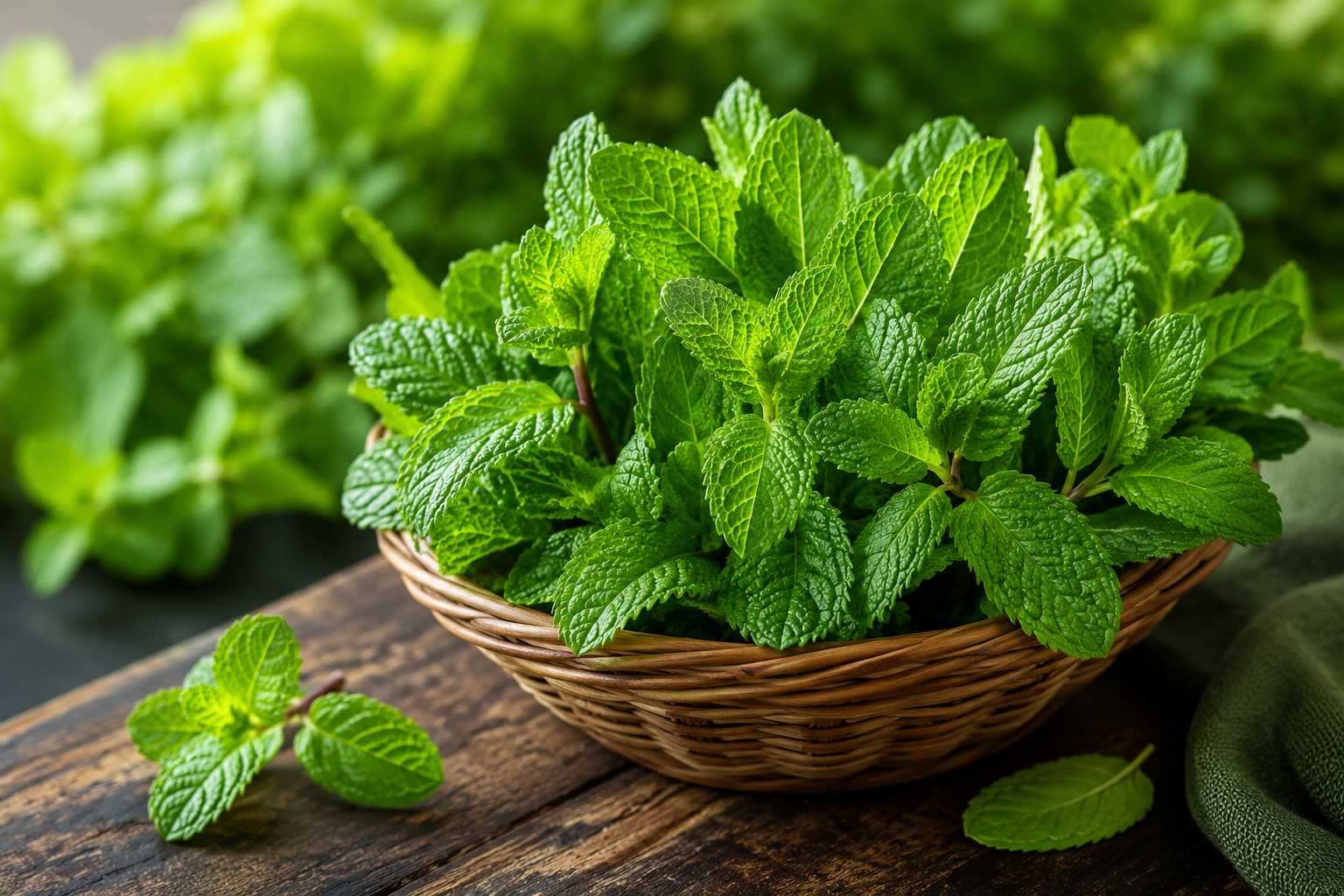
Mint (Pudina) – The Refreshing Herb That Elevates Every Dish
Discover everything about Mint (Pudina), one of the world’s most refreshing culinary herbs. Explore its history, varieties, cultivation, culinary uses, nutritional profile, storage tips, and expert cooking recommendations in this complete premium guide by KHALVA Masala.
Introduction to Mint (Pudina)
Mint, popularly known as Pudina in India, is one of the most loved aromatic herbs used across cuisines worldwide. Recognized for its cooling sensation, vibrant green leaves and refreshing fragrance, mint adds freshness to beverages, chutneys, salads, curries, desserts and countless traditional recipes.
From Indian kitchens to Mediterranean cuisine, mint has become an essential culinary ingredient valued for its pleasant aroma and versatility. Whether used fresh, dried or powdered, Pudina enhances both flavour and presentation.
This guide explores everything you need to know about Mint—from its botanical background and cultivation to culinary applications, quality selection and professional cooking tips.
Quick Facts About Mint
Common Name
Mint
Indian Name
Pudina
Botanical Genus
Mentha
Plant Type
Perennial Aromatic Herb
Native Region
Europe, Asia and the Mediterranean Region
Main Uses
Chutneys, Beverages, Salads, Curries, Desserts and Garnishing
Flavor Profile
Cool, Fresh, Sweet and Aromatic
Available Forms
Fresh Leaves, Dried Leaves and Mint Powder
📜 History of Mint
Mint has been cultivated for thousands of years and has long been appreciated for its refreshing fragrance and culinary versatility. Ancient civilizations across Europe, Asia and the Middle East incorporated mint into everyday cooking and traditional hospitality.
Over time, mint spread across the world through trade routes and agricultural cultivation. Today, it is grown in numerous countries and remains one of the most widely used herbs in international cuisine.
In India, Pudina holds a special place in everyday cooking, particularly during the warmer months. Fresh mint chutney, cooling beverages and flavourful rice dishes continue to showcase its distinctive character.
Botanical Information
🌿 Botanical Genus
Mentha
🌱 Plant Family
Lamiaceae (Mint Family)
🌸 Plant Type
Perennial Herb
🍃 Leaves
Bright Green, Soft, Fragrant and Serrated
🌼 Flowers
Small White, Pink or Purple Blooms Depending on Variety
🌍 Climate
Prefers Mild to Warm Temperatures with Adequate Moisture
✨ Why Mint is Special
Mint is admired not only for its refreshing taste but also for its remarkable versatility in the kitchen. It complements spicy, savoury and sweet dishes equally well, making it one of the few herbs that effortlessly adapts to diverse cuisines.
Refreshing Aroma
Instantly enhances the freshness of recipes.
Perfect for Beverages
A popular choice for refreshing drinks and coolers.
Versatile Herb
Suitable for appetizers, main courses, desserts and garnishing.
Global Popularity
Featured in Indian, Middle Eastern, Mediterranean and international cuisines.
Nutritional Profile of Mint (Pudina)
Mint (Pudina) is a fragrant culinary herb that naturally contains vitamins, minerals and aromatic plant compounds. Although it is generally consumed in modest quantities, fresh mint contributes flavour, freshness and nutritional value to a wide variety of dishes and beverages.
Vitamin A
Naturally present and contributes to mint’s nutritional profile.
Vitamin C
Occurs naturally in fresh mint leaves.
Potassium
An essential mineral naturally found in mint.
Calcium
Forms part of mint’s natural mineral composition.
Dietary Fibre
Fresh mint contains natural dietary fibre.
Natural Essential Oils
Responsible for mint’s refreshing aroma and flavour.
Iron
Occurs naturally in mint leaves.
Low-Calorie Herb
Popular for adding flavour without significantly increasing calories.
🌿 Natural Aromatic Compounds
Mint’s signature cooling aroma and refreshing flavour come from naturally occurring aromatic compounds found within its essential oils.
Menthol
Provides mint’s well-known cooling sensation and fresh aroma.
Menthone
Contributes to mint’s pleasant herbal fragrance.
Limonene
Adds subtle citrus-like aromatic notes.
Natural Essential Oils
Create the characteristic freshness enjoyed in culinary applications.
Popular Varieties of Mint
🌿 Spearmint
Commonly used in Indian chutneys, beverages and everyday cooking.
❄️ Peppermint
Known for its stronger cooling flavour and refreshing aroma.
🍋 Apple Mint
Offers a mild fruity fragrance suitable for desserts and drinks.
🌱 Chocolate Mint
Popular in specialty beverages and gourmet desserts.
🌍 Major Mint Growing Regions
🌱 Ideal Growing Conditions
Climate
Prefers mild to warm temperatures with moderate humidity.
Sunlight
Thrives in partial to full sunlight.
Soil
Well-drained, fertile soil enriched with organic matter.
Water
Requires regular watering to maintain healthy leaf growth.
Harvesting
Leaves are harvested regularly to encourage fresh growth.
Post-Harvest
Fresh leaves are cleaned, graded and packed to retain freshness.
🌾 From Farm to Fresh Leaves
Mint grows rapidly under favourable conditions and can be harvested multiple times during the growing season. Careful cultivation, timely harvesting and proper handling help preserve its vibrant green colour, refreshing aroma and premium culinary quality before reaching kitchens around the world.
Culinary Highlights of Mint (Pudina)
Refreshing Flavor
Mint brings a naturally cool, fresh and aromatic taste to countless recipes.
Highly Versatile
Perfect for chutneys, salads, curries, beverages, desserts and garnishing.
Ideal for Drinks
A favourite ingredient for refreshing beverages, mocktails and coolers.
Worldwide Popularity
Widely used in Indian, Mediterranean, Middle Eastern and global cuisines.
Chef’s Favorite
Professional chefs appreciate mint for its aroma, freshness and visual appeal.
Natural Garnish
Fresh mint leaves instantly enhance the presentation of food and beverages.
🍛 Mint in Indian Cuisine
Mint (Pudina) is an integral part of Indian cooking, valued for its refreshing aroma and vibrant flavour. It is commonly used in fresh chutneys, biryanis, pulao, raita, salads and a variety of beverages that are enjoyed throughout the year.
During festivals and family gatherings, mint is often combined with coriander, green chillies and traditional spices to prepare flavourful chutneys that accompany snacks and main courses.
Beyond Indian cuisine, mint is equally popular in Mediterranean, Middle Eastern, European and Asian recipes where it enhances both savoury and sweet preparations.
🍽️ Popular Dishes Prepared with Mint
🌿 What Makes Mint Special in Cooking?
Cooling Sensation
Provides a naturally refreshing taste to foods and beverages.
Fresh Aroma
Its fragrant leaves instantly enhance culinary preparations.
Fresh or Dried
Can be enjoyed as fresh leaves or in dried form for convenience.
Suitable for Every Course
Works beautifully in appetizers, main dishes, desserts and beverages.
🌍 Mint Around the World
India
Used in chutneys, rice dishes, curries and refreshing beverages.
Mediterranean
Added to salads, grilled vegetables and yogurt dishes.
Morocco
Famous for traditional mint tea enjoyed daily.
Middle East
Frequently included in tabbouleh, dips and grilled dishes.
Europe
Popular in sauces, desserts and confectionery.
Modern Cuisine
Used globally in gourmet beverages, bakery products and fine dining.
❤️ Why Professional Chefs Love Mint
- Enhances freshness without overpowering other ingredients.
- Suitable for both vegetarian and non-vegetarian recipes.
- Adds vibrant green colour and attractive presentation.
- Excellent for beverages, mocktails and coolers.
- Pairs beautifully with yogurt, lemon, coriander and fruits.
- Works equally well in savoury dishes and desserts.
- Can be used fresh, dried or powdered.
- Popular in cuisines across every continent.
- Provides a distinctive aromatic finish to premium dishes.
- An essential herb for modern gourmet cooking.
Culinary Uses of Mint (Pudina)
Mint (Pudina) is one of the most versatile culinary herbs, appreciated for its naturally refreshing aroma and vibrant flavour. Whether used fresh, dried or powdered, mint enhances a wide variety of dishes ranging from traditional Indian recipes to international cuisine.
Fresh Chutneys
One of the most popular ingredients for preparing mint and coriander chutneys.
Rice Dishes
Adds freshness to biryani, pulao and other aromatic rice recipes.
Salads
Fresh leaves provide colour, aroma and a refreshing finish.
Raita
Pairs beautifully with yogurt for cooling side dishes.
Beverages
Ideal for lemonade, coolers, mocktails, smoothies and iced drinks.
Desserts
Used in chocolates, ice cream, syrups and premium desserts.
🇮🇳 Traditional Indian Uses
Mint has been an important part of Indian kitchens for generations. Its refreshing flavour complements spicy foods and makes it a preferred herb during summer as well as festive occasions.
Pudina Chutney
A classic accompaniment for snacks, kebabs and Indian meals.
Curries
Fresh mint enhances the aroma of gravies and curry preparations.
Biryani
An essential herb in many traditional biryani recipes.
Cooling Drinks
Used in shikanji, jaljeera and refreshing summer beverages.
👨🍳 Modern Kitchen Applications
Mocktails
Fresh mint is a signature ingredient in premium non-alcoholic beverages.
Sandwiches
Enhances fillings with refreshing herbal flavour.
Fusion Cuisine
Used creatively in wraps, pizzas and gourmet dishes.
Pasta
Adds freshness to sauces and Mediterranean recipes.
Bakery
Popular in cakes, cookies and dessert garnishes.
Confectionery
Used in chocolates, candies and premium sweets.
🥄 How to Use Mint Correctly
- Select bright green, fresh and aromatic mint leaves.
- Wash thoroughly under clean running water.
- Remove thick stems if required.
- Pat the leaves dry before chopping.
- Add fresh mint towards the end of cooking to retain its aroma.
- For beverages, gently crush the leaves to release their natural fragrance.
- Use dried mint in recipes where fresh leaves are unavailable.
- Avoid overcooking, as prolonged heat may reduce freshness and aroma.
🍽️ Best Food Pairings with Mint
👨🍳 Professional Chef’s Tips
- Always choose vibrant green leaves with a fresh aroma.
- Add fresh mint near the end of cooking for the best flavour.
- Wash and dry leaves thoroughly before use.
- Use whole leaves as an attractive garnish for premium presentation.
- Pair mint with yogurt, lemon, coriander and seasonal fruits.
- Store fresh mint properly to maintain freshness.
- Use dried mint sparingly, as its flavour is more concentrated.
- Experiment with mint in both savoury recipes and desserts for creative culinary results.
🌿 Freshness & Handling Guide
Mint (Pudina) is best enjoyed when it is fresh, vibrant and aromatic. Proper handling immediately after purchase or harvest helps preserve its natural flavour, appearance and culinary quality.
Fresh Green Leaves
Select mint with bright green leaves and crisp stems.
Refreshing Aroma
Fresh mint should have a clean and naturally pleasant fragrance.
Clean Carefully
Rinse gently under clean running water to remove dust before use.
Dry Before Storing
Allow leaves to dry completely before refrigeration to reduce excess moisture.
⭐ Signs of Premium Quality Mint
🌿 Colour
Leaves should be vibrant green without significant yellowing.
🍃 Texture
Fresh leaves should feel crisp and tender rather than limp.
🌸 Aroma
A pleasant, naturally refreshing fragrance indicates freshness.
✨ Appearance
Choose bunches that are clean and free from excessive damage or decay.
🚜 From Farm to Kitchen
1. Cultivation
Mint is grown in fertile soil with regular irrigation and careful field management.
2. Harvesting
Leaves are harvested at the appropriate stage to maintain freshness and aroma.
3. Cleaning
Freshly harvested mint is cleaned and sorted before packing.
4. Packaging
Proper packaging helps protect the leaves during transportation.
5. Distribution
Mint is delivered efficiently to retailers, restaurants and households.
6. Enjoy
Fresh mint is ready to enhance your favourite recipes and beverages.
🌍 Sustainable Cultivation Practices
Responsible farming practices help maintain the quality of mint while supporting long-term agricultural productivity. Many growers focus on efficient water use, soil care and responsible harvesting techniques to produce high-quality aromatic herbs.
- Use fertile, well-managed agricultural land.
- Practice efficient irrigation methods where appropriate.
- Harvest leaves carefully to encourage continued plant growth.
- Reduce unnecessary post-harvest waste through proper handling.
- Maintain cleanliness throughout harvesting and packaging.
- Support responsible farming practices whenever possible.
👨🍳 Chef’s Insight
Fresh mint delivers its finest aroma when added just before serving or near the end of cooking. For beverages and chutneys, gently bruise or chop the leaves immediately before use to release their refreshing fragrance without overwhelming the dish.
📦 Storage Guide
Proper storage helps preserve the freshness, vibrant green colour and natural aroma of Mint (Pudina). Whether using fresh leaves or dried mint, following good storage practices ensures the best culinary experience.
- Store fresh mint in the refrigerator for optimal freshness.
- Wrap fresh leaves loosely in a slightly damp paper towel before placing them in a breathable container or storage bag.
- Wash mint only when you are ready to use it, unless preparing it for immediate refrigerated storage.
- Keep leaves away from excessive moisture to help maintain quality.
- Store dried mint in an airtight container.
- Keep dried mint in a cool, dry place away from direct sunlight.
- Always use clean and dry utensils when handling dried mint.
- Keep mint away from strong-smelling foods to help preserve its natural aroma.
🌿 How to Identify Fresh & Premium Mint
💚 Leaf Colour
Choose bunches with bright, vibrant green leaves and minimal discoloration.
🍃 Texture
Leaves should feel crisp, tender and free from excessive wilting.
🌸 Aroma
Fresh mint has a pleasant, naturally refreshing fragrance.
🌱 Stems
Healthy stems should appear firm and fresh rather than dry or damaged.
🛒 Buying Guide
- Select mint with vibrant green leaves and fresh stems.
- Avoid bunches showing significant yellowing or decay.
- Check that the leaves are clean and free from excess moisture.
- Purchase from trusted grocery stores, local markets or reliable suppliers.
- Choose organically grown mint when it matches your preferences.
- Buy quantities that you can use while the herb remains fresh.
- For dried mint, ensure the packaging is sealed properly.
- Always check packaging dates when purchasing packaged mint products.
⚖️ Fresh Mint vs Dried Mint vs Mint Powder
| Feature | Fresh Mint | Dried Mint | Mint Powder |
|---|---|---|---|
| Appearance | Bright Green Leaves | Dried Green Flakes | Fine Green Powder |
| Aroma | Very Fresh | Concentrated Herbal Aroma | Strong Mint Fragrance |
| Best Uses | Chutneys, Salads, Garnish | Seasonings, Yogurt, Snacks | Spice Mixes & Seasonings |
| Storage Life | Short | Long | Long |
| Convenience | Requires Washing | Ready to Use | Easy to Mix |
🔍 Simple Freshness Checks at Home
Smell Test
Fresh mint should have a clean, cool and pleasant herbal aroma.
Leaf Check
Leaves should appear green, healthy and free from major damage.
Touch Test
Fresh leaves should feel crisp instead of slimy or overly soft.
Moisture Check
Avoid bunches with excessive surface moisture that may shorten freshness.
👨🍳 Professional Chef’s Buying Tips
Buy Fresh
Choose freshly harvested mint whenever possible for maximum aroma.
Choose Bright Leaves
Healthy green leaves usually indicate better freshness and presentation.
Purchase Small Quantities
Buying only what you need helps ensure the best quality in every recipe.
Store Correctly
Proper storage helps retain mint’s freshness, aroma and culinary quality.
🇮🇳 India’s Position in Mint Production
India is one of the world’s leading producers of mint (Pudina), cultivating several varieties that are widely used in the food industry, culinary applications and aromatic products. Favorable climatic conditions, fertile agricultural land and experienced farmers contribute to the country’s strong position in mint cultivation.
Fresh mint leaves are supplied throughout India for daily culinary use, while dried mint and mint-based products are distributed to domestic and international markets. The herb remains an important agricultural crop that supports farmers, food processors and the hospitality industry.
With growing demand for fresh herbs and premium culinary ingredients, mint continues to be one of India’s most widely cultivated aromatic herbs.
🗺️ Major Mint Growing States in India
🌍 Major Export Markets
- 🇺🇸 United States
- 🇬🇧 United Kingdom
- 🇨🇦 Canada
- 🇦🇪 United Arab Emirates
- 🇩🇪 Germany
- 🇫🇷 France
- 🇦🇺 Australia
- 🇯🇵 Japan
- 🇸🇬 Singapore
- 🌍 Various European and Asian Countries
💡 Did You Know?
- Mint belongs to the Mentha genus, which includes many different species and varieties.
- It is one of the world’s most widely cultivated aromatic herbs.
- Mint can be enjoyed fresh, dried or as a finely ground powder.
- Fresh mint is commonly used as a garnish because of its vibrant green appearance.
- Many cuisines around the world feature mint in both savoury and sweet recipes.
- Mint grows quickly under suitable conditions and can often be harvested multiple times during a growing season.
- It is a popular ingredient in beverages, chutneys, salads and desserts.
- Different mint varieties offer unique flavour and aroma profiles.
- Fresh mint is commonly paired with yogurt, lemon, cucumber and seasonal fruits.
- Professional chefs value mint for both its flavour and elegant presentation.
Frequently Asked Questions
What is Mint (Pudina)?
Mint (Pudina) is an aromatic herb from the Mentha genus, widely used in cooking, beverages and garnishing.
Can mint be used fresh and dried?
Yes. Mint is commonly used as fresh leaves, dried leaves and mint powder depending on the recipe.
How should fresh mint be stored?
Store fresh mint in the refrigerator and keep it lightly wrapped to help maintain freshness.
Which dishes commonly use mint?
Mint is popular in chutneys, biryani, pulao, raita, salads, beverages, desserts and garnishes.
Which Indian state produces the most mint?
Uttar Pradesh is widely recognized as one of India’s leading mint-producing states.
Can dried mint replace fresh mint?
Yes. Dried mint is a convenient alternative, though its flavour is generally more concentrated than fresh leaves.
How can I identify fresh mint?
Look for vibrant green leaves, firm stems and a naturally refreshing aroma.
Is mint suitable for beverages?
Yes. Mint is widely used in lemonades, coolers, mocktails, herbal drinks and infused water.
Does mint pair well with other herbs?
Yes. Mint pairs beautifully with coriander, parsley, basil and several fresh herbs in culinary preparations.
Why is mint so popular worldwide?
Its refreshing aroma, versatility and ability to complement a wide variety of cuisines make mint a favourite herb across the globe.
👨🍳 Chef’s Recommendation
For the freshest flavour, chop mint leaves just before serving and add them towards the end of cooking whenever possible. This helps preserve their natural aroma, vibrant colour and refreshing character in salads, chutneys, rice dishes and beverages.
🌿 Final Thoughts on Mint (Pudina)
Mint (Pudina) is one of the world’s most refreshing and versatile culinary herbs. Loved for its vibrant green leaves, cooling flavour and pleasant aroma, it has become an essential ingredient in kitchens across India and around the globe.
From traditional chutneys and biryanis to refreshing beverages, gourmet salads and premium desserts, mint enhances recipes with freshness, colour and natural fragrance. Its adaptability makes it suitable for everyday cooking as well as fine dining.
By selecting fresh, high-quality mint, storing it correctly and using it at the right stage of cooking, you can enjoy its distinctive flavour and elevate every meal with ease.
❤️ Why Every Kitchen Needs Mint
Refreshing Herb
Brings a naturally cool and vibrant flavour to everyday cooking.
Highly Versatile
Perfect for chutneys, salads, rice dishes, desserts and beverages.
Fresh Aroma
Adds a pleasant herbal fragrance to a wide variety of recipes.
Beautiful Garnish
Enhances the appearance and presentation of food and drinks.
Global Favourite
Used in Indian, Mediterranean, Middle Eastern and international cuisines.
Chef’s Essential Herb
A trusted ingredient for both home kitchens and professional restaurants.
📚 Continue Exploring Premium Spice Guides
Every herb and spice has its own story, flavour and culinary tradition. Continue your journey with the KHALVA Masala Premium Spice Guide collection and discover expert cooking tips, storage advice, sourcing information and fascinating facts about India’s most treasured herbs and spices.
“The finest dishes are remembered not only for their flavour, but for the freshness that mint brings to every bite.”
📖 Educational Disclaimer
This guide is provided for educational and culinary purposes only. It is not intended to provide medical, nutritional or healthcare advice and should not be used to diagnose, treat, cure or prevent any disease or health condition.
Information may vary depending on the mint variety, growing conditions, harvesting methods and processing techniques. Always purchase herbs and spices from trusted suppliers and consult qualified professionals for personalised dietary or health-related guidance.
🌟 Thank You for Exploring KHALVA Masala
Thank you for exploring our complete guide to Mint (Pudina). We are passionate about sharing authentic knowledge that celebrates India’s rich culinary heritage and helps every cooking enthusiast make informed ingredient choices.
Continue exploring the KHALVA Masala Premium Spice Guide Collection for detailed information, professional cooking tips and premium insights into the herbs and spices that make every meal extraordinary.