Indian Bay Leaf (Tej Patta): The Complete Guide to India’s Aromatic Spice
Discover everything about Indian Bay Leaf (Tej Patta)—its fascinating history, botanical characteristics, nutritional value, culinary uses, traditional importance, farming process, popular varieties, storage methods, buying guide and much more. This comprehensive guide explores why Tej Patta has remained an indispensable spice in Indian kitchens for centuries.
Quick Facts About Indian Bay Leaf
🌿 Scientific Name
Cinnamomum tamala
🏠 Plant Family
Lauraceae
🇮🇳 Hindi Name
Tej Patta (तेज पत्ता)
🌍 Native Region
Indian Subcontinent & Himalayan Region
🎨 Colour
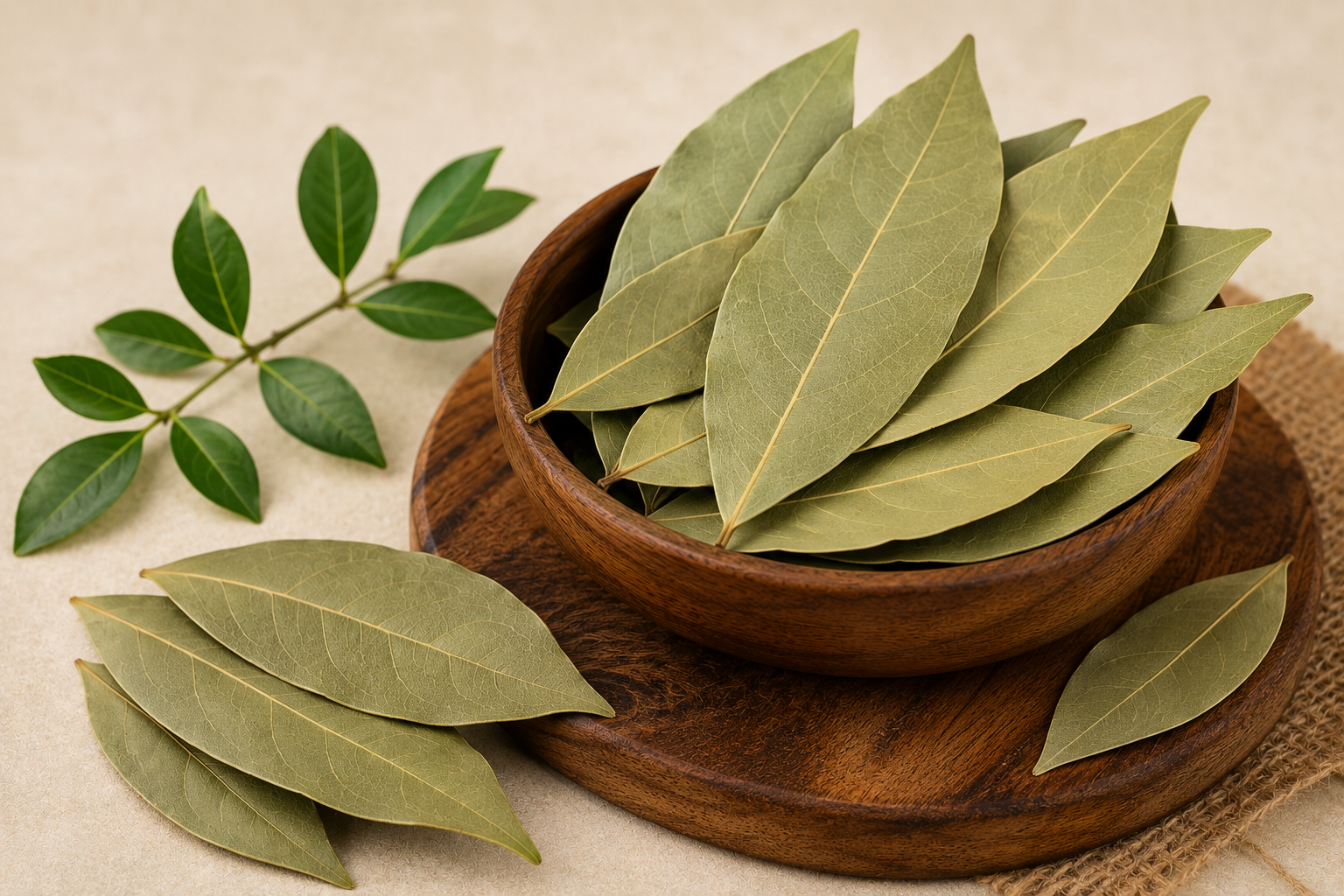
Olive Green to Brownish Green
👃 Aroma
Sweet, Warm & Cinnamon-like
🌾 Taste
Mildly Spicy, Woody & Aromatic
🌡 Climate
Cool, Humid & Subtropical
📅 Harvest Season
October to February
🧺 Shelf Life
12–24 Months
⭐ Main Aroma Compound
Eugenol & Cinnamaldehyde
🍛 Common Uses
Biryani, Pulao, Curries, Soups & Spice Blends
What is Indian Bay Leaf (Tej Patta)?
Indian Bay Leaf, commonly known as Tej Patta, is a fragrant leaf obtained from the Cinnamomum tamala tree, a member of the laurel family. It is one of the most cherished whole spices in Indian cuisine and is widely appreciated for its pleasant aroma and subtle, warm flavour that enhances a variety of savoury dishes.
Unlike the Mediterranean bay leaf, Indian Bay Leaf has a distinctive cinnamon-like fragrance with mild clove and pepper notes. It is traditionally added whole while cooking biryanis, pulao, curries, lentils, soups, stews and spice-infused gravies, where it gradually releases its aromatic oils during cooking.
For generations, Tej Patta has been an essential ingredient in Indian kitchens. Its ability to enrich food with a delicate yet unmistakable aroma has made it an important component of numerous regional recipes and traditional spice blends used across the country.
History & Origin of Indian Bay Leaf
Indian Bay Leaf has a rich history that dates back thousands of years. Native to the Himalayan foothills and the Indian subcontinent, it has long been cultivated for its aromatic leaves and valued as an essential culinary spice. Historical records indicate that Tej Patta has been used in traditional Indian cooking since ancient times.
As trade routes expanded across Asia, the fragrant leaves became popular in neighbouring regions, where they were prized for their ability to add depth and aroma to food. Over time, Indian Bay Leaf earned a distinguished place in regional cuisines, festive dishes and traditional spice preparations.
Today, Tej Patta continues to be cultivated in several parts of India and neighbouring countries. It remains one of the most widely used whole spices in Indian cooking and is recognised for its unique flavour profile and culinary versatility.
Why is Indian Bay Leaf One of India’s Most Valued Aromatic Spices?
Indian Bay Leaf is admired for its ability to impart a rich, layered aroma without overpowering other ingredients. As the leaves slowly simmer during cooking, they release naturally occurring aromatic oils that contribute warmth, depth and complexity to rice dishes, curries and slow-cooked recipes.
Unlike many spices that primarily add heat or colour, Tej Patta is valued for the elegant fragrance it lends to food. It works harmoniously with spices such as cinnamon, cloves, cardamom, black pepper and cumin, making it an indispensable ingredient in many traditional Indian spice blends.
Its pleasant aroma, versatility and long-standing culinary heritage have helped Indian Bay Leaf remain an essential spice in households, restaurants and professional kitchens across India and around the world.
Nutritional Information
Calories
313 kcal
Protein
7.6 g
Carbohydrates
74.9 g
Dietary Fiber
26.3 g
Fat
8.4 g
Calcium
834 mg
Iron
43 mg
Magnesium
120 mg
Potassium
529 mg
Vitamin C
46.5 mg
*Approximate nutritional values per 100 grams of dried Indian Bay Leaves (Tej Patta). Actual values may vary depending on origin, cultivation practices and processing methods.
🌿 Natural Aroma & Active Compounds
Indian Bay Leaf owes its pleasant fragrance to naturally occurring essential oils and aromatic compounds found within its leaves. These compounds gradually release during cooking, infusing dishes with a warm, slightly sweet and woody aroma.
Naturally occurring compounds such as Eugenol, Cinnamaldehyde, Linalool, Terpenes and various Phenolic Compounds contribute to the characteristic aroma that makes Tej Patta an indispensable ingredient in Indian cuisine.
Popular Types of Indian Bay Leaf
🌿 Himalayan Tej Patta
Known for its rich aroma and widely used in premium spice blends and traditional Indian recipes.
🌱 Organic Indian Bay Leaf
Produced following certified organic farming practices where applicable.
🍃 Whole Dried Leaves
The most popular form, added whole during cooking and removed before serving.
🥄 Crushed Bay Leaves
Convenient for spice blends and seasoning mixes where quicker flavour release is preferred.
🌾 Premium Hand-Selected Leaves
Carefully graded for uniform size, appearance and natural aroma.
📦 Commercial Culinary Grade
Commonly supplied to restaurants, food manufacturers and commercial kitchens.
Comparison of Popular Indian Bay Leaf Types
| Type | Aroma | Best Use | Flavour |
|---|---|---|---|
| Himalayan Tej Patta | Very Strong | Biryani & Curries | Warm & Sweet |
| Organic Leaves | Strong | Everyday Cooking | Natural |
| Whole Leaves | High | Slow Cooking | Balanced |
| Crushed Leaves | Medium | Seasonings | Aromatic |
| Premium Grade | Excellent | Premium Recipes | Rich |
| Commercial Grade | Good | Bulk Cooking | Mild |
Major Indian Bay Leaf Producing States
- 🌿 Uttarakhand
- 🌿 Himachal Pradesh
- 🌿 Sikkim
- 🌿 Arunachal Pradesh
- 🌿 Meghalaya
- 🌿 Nagaland
- 🌿 West Bengal (Himalayan Region)
- 🌿 Assam
Ideal Climate for Growing Indian Bay Leaf
Indian Bay Leaf thrives in cool to moderately warm subtropical climates, particularly in hilly regions with abundant rainfall and fertile, well-drained soil. The tree grows best at elevations ranging from approximately 900 to 2,500 metres above sea level.
It prefers temperatures between 15°C and 30°C with moderate humidity and receives optimal growth under partial sunlight or filtered forest conditions. These favourable environments encourage healthy foliage and the development of aromatic essential oils.
The Himalayan states of India provide ideal growing conditions for Tej Patta, producing leaves that are highly valued for their fragrance, quality and culinary applications in Indian kitchens.
Health Benefits of Indian Bay Leaf
Rich in Natural Plant Compounds
Indian Bay Leaf naturally contains essential oils and plant-based compounds that contribute to its distinctive aroma and culinary value.
Contains Natural Antioxidants
Tej Patta naturally contains antioxidant compounds commonly found in aromatic herbs and spices.
Traditionally Used in Everyday Cooking
Indian Bay Leaf has long been included in traditional recipes where it enhances flavour and aroma as part of balanced meals.
Source of Dietary Fibre
Dried bay leaves naturally contain dietary fibre along with several essential nutrients found in herbs and spices.
Enhances Flavour Naturally
Its warm, woody aroma adds depth to recipes without relying heavily on additional seasonings.
Provides Essential Minerals
Indian Bay Leaf naturally contains minerals including calcium, iron, magnesium and potassium.
Supports Culinary Diversity
Suitable for rice dishes, curries, soups, stews and numerous regional recipes across India.
Popular Around the World
Its pleasant fragrance makes Indian Bay Leaf a preferred spice in many traditional and contemporary cuisines.
Natural Culinary Ingredient
Indian Bay Leaf is commonly used as a whole spice without artificial flavour enhancers.
Ideal for Slow Cooking
The leaves gradually release their aroma during simmering, making them ideal for slow-cooked recipes.
Highly Aromatic
The naturally occurring essential oils give Tej Patta its signature warm and pleasant fragrance.
Part of a Balanced Diet
When used in normal culinary quantities, Indian Bay Leaf contributes flavour and variety to everyday meals.
🌿 Indian Bay Leaf in Ayurveda
Indian Bay Leaf (Tej Patta) has been valued in traditional Ayurvedic food culture for centuries. It is appreciated primarily as an aromatic culinary spice that enhances the flavour of meals and is commonly included in numerous traditional preparations. Ayurvedic cooking frequently combines Tej Patta with spices such as cinnamon, cloves, cardamom and black pepper to create balanced spice blends.
Whole bay leaves are traditionally simmered in rice dishes, curries and lentils, allowing their natural aroma to infuse the food before the leaves are removed prior to serving. This culinary practice has remained popular across Indian households for generations.
🌡️ Nature
Traditionally Considered Warming
🌿 Taste
Mildly Pungent & Aromatic
🍽️ Traditional Use
Everyday Culinary Spice
🍃 Common Form
Whole Dried Leaves
🍛 Popular Preparation
Slow Simmering in Rice & Curries
🌿 Best Paired With
Cinnamon, Cloves & Cardamom
🏡 Kitchen Essential
Used in Traditional Indian Cooking
📜 Traditional Importance
Widely Used in Classical Indian Culinary Traditions
🌿 Why Indian Bay Leaf Has Been Valued for Centuries
Indian Bay Leaf has remained one of the most respected spices in Indian cuisine because of its remarkable ability to enrich food with a refined and balanced aroma. Unlike spices that dominate a dish, Tej Patta gently complements other ingredients, creating depth and complexity during cooking.
Across India, it is an essential ingredient in biryanis, pulao, curries, lentils, kormas, soups and festive recipes. Its compatibility with spices such as cinnamon, cloves, cardamom, cumin and black pepper has made it a cornerstone of countless regional spice blends and traditional cooking techniques.
The leaves are generally added whole at the beginning of cooking, allowing their natural essential oils to slowly infuse the dish over time. This gradual release of flavour is one of the reasons Tej Patta continues to be preferred in slow-cooked recipes prepared in homes and professional kitchens alike.
Beyond its culinary significance, Indian Bay Leaf reflects India’s rich spice heritage. Cultivated mainly in the Himalayan region, it represents generations of farming knowledge, careful harvesting and traditional food culture that continues to inspire modern cooking around the world.
🍛 Culinary Uses of Indian Bay Leaf
- Essential ingredient in biryani, pulao and other fragrant rice dishes.
- Widely used in curries, gravies and slow-cooked traditional recipes.
- Commonly added to dals and lentil preparations for a delicate aroma.
- An important ingredient in garam masala and numerous Indian spice blends.
- Used while preparing soups, stews and broths to develop deeper flavour.
- Frequently included in marinades for vegetables, paneer and protein-based dishes.
- Enhances the aroma of korma, shahi gravies and festive recipes.
- Pairs beautifully with cinnamon, cloves, cardamom, cumin and black pepper.
- Usually removed before serving, as the leaves are not typically eaten.
- Suitable for both traditional Indian cuisine and modern international recipes.
🏡 Traditional Home Uses
✨ Beauty & Lifestyle Uses
- Indian Bay Leaf is primarily valued as an aromatic culinary spice.
- Its naturally fragrant essential oils are appreciated in traditional wellness practices.
- Bay leaf extracts may be used as ingredients in selected personal care formulations.
- Its pleasant aroma has made it a popular ingredient in potpourri and herbal fragrance blends.
- Professionally formulated products should be preferred for cosmetic or skincare applications.
- Avoid applying concentrated essential oils directly to the skin unless properly diluted.
- Store dried bay leaves in airtight containers to help preserve their natural aroma.
- Always use clean and dry utensils when handling spices during cooking.
🥄 How to Use Indian Bay Leaf
- Add one or two whole leaves while preparing biryani or pulao.
- Use during tempering to infuse oil or ghee with a delicate aroma.
- Include in curries and gravies during slow cooking.
- Add to soups and broths while simmering for enhanced flavour.
- Combine with cinnamon, cloves and cardamom in spice blends.
- Use in marinades for vegetables and traditional Indian recipes.
- Remove the leaves before serving, as they are generally not consumed.
- Use whole leaves rather than crushed leaves for slow-cooked dishes.
- Adjust the quantity according to the size of the recipe.
- Store properly to maintain freshness and aroma between uses.
🥄 Recommended Culinary Use
Indian Bay Leaf is generally used in small culinary quantities rather than consumed directly. Most recipes require 1 to 3 whole dried leaves, depending on the quantity of food being prepared and the desired level of aroma.
Since Tej Patta is typically removed before serving, it is best used according to the recipe and individual taste preferences. Individuals with specific dietary requirements or medical conditions should seek personalised advice from a qualified healthcare professional.
👨🍳 Chef’s Tip
For the best flavour, lightly sauté Indian Bay Leaf in a small amount of oil or ghee at the beginning of cooking before adding onions or other ingredients. This simple step helps release its natural aromatic oils, allowing the spice to impart a richer and more balanced flavour throughout the dish. Always remove the leaves before serving.
⚠️ Possible Side Effects of Excess Consumption
- Indian Bay Leaf is generally used in small culinary quantities, but excessive consumption is not recommended.
- Whole dried leaves are tough and should typically be removed before serving, as they may present a choking hazard if swallowed.
- Some individuals may be sensitive or allergic to bay leaves or other members of the Lauraceae family.
- Large quantities of concentrated bay leaf extracts or supplements should only be used under professional guidance.
- People with digestive sensitivities should use the spice according to their personal tolerance.
- Avoid consuming damaged, mouldy or poor-quality dried leaves.
- If you experience unusual symptoms after consuming foods containing Indian Bay Leaf, seek medical advice.
- Moderation is the best approach when using Tej Patta in everyday cooking.
🚫 Who Should Be Careful?
- People with known allergies to bay leaves or plants from the Lauraceae family.
- Individuals with digestive sensitivities should use according to their personal tolerance.
- Pregnant or breastfeeding women should consult a qualified healthcare professional before using concentrated bay leaf supplements.
- People taking prescription medications should seek medical advice before using herbal extracts or supplements.
- Children should consume Indian Bay Leaf only as part of normal culinary preparations, with the leaves removed before serving.
- Anyone with specific dietary restrictions or underlying medical conditions should follow professional healthcare advice.
How Indian Bay Leaf is Grown
Plant Selection
Healthy saplings are selected from quality nursery stock for successful cultivation.
Land Preparation
Fields or hill slopes are prepared with fertile, well-drained soil rich in organic matter.
Planting
Saplings are planted with adequate spacing to promote healthy canopy development.
Tree Care
Regular irrigation, pruning, weed management and crop monitoring support healthy tree growth.
Leaf Harvesting
Mature leaves are carefully hand-harvested at the appropriate stage for optimum quality.
Drying & Processing
The harvested leaves are cleaned, naturally dried, graded and packed for culinary use.
🚜 From Farm to Kitchen
📦 Storage Tips
- Store Indian Bay Leaves in an airtight container to help preserve their natural aroma.
- Keep the container in a cool, dry place away from direct sunlight and excess heat.
- Protect the leaves from moisture to maintain their quality and crisp texture.
- Always use a clean, dry spoon or dry hands when handling the leaves.
- Avoid storing Tej Patta near strong-smelling foods, as dried leaves may absorb external odours.
- Close the container immediately after each use to retain freshness.
- Whole dried leaves generally maintain their aroma longer than crushed leaves.
- Do not refrigerate unless the storage area is excessively humid.
- Inspect the leaves occasionally for signs of moisture, mould or insect activity.
- For the best culinary experience, use within the recommended shelf life.
How to Identify Good Quality Indian Bay Leaf
High-quality Indian Bay Leaves (Tej Patta) are recognised by their natural olive-green to brownish-green colour, pleasant aroma and clean appearance. The leaves should be whole, dry and free from excessive dust, mould, insects and foreign matter.
🍃 Appearance
Whole, clean leaves with minimal breakage and a natural greenish-brown colour.
👃 Aroma
Fresh, warm and mildly sweet fragrance with cinnamon-like notes.
✨ Cleanliness
Free from dust, mould, insects and unwanted impurities.
🍂 Texture
Dry, firm and crisp leaves without excessive brittleness or moisture.
🧪 Simple Home Checks for Indian Bay Leaf
Visual Inspection
Select leaves that are whole, clean and naturally coloured without stains or mould.
Aroma Check
Rub a leaf gently between your fingers. Fresh Tej Patta should release a pleasant, aromatic fragrance.
Texture Check
The leaves should feel dry and crisp, not soft, damp or sticky.
Cleanliness Check
Ensure the leaves are free from insects, excessive dust and visible foreign particles.
🛒 Buying Guide
- Purchase Indian Bay Leaves from trusted and reputable food brands or spice retailers.
- Choose leaves that are whole, clean and naturally aromatic.
- Avoid packages containing excessive broken leaves, dust or visible impurities.
- Check the packaging for manufacturing and best-before dates before purchasing.
- Select food-grade, well-sealed packaging to help maintain freshness and quality.
- Prefer whole dried leaves over crushed leaves for longer-lasting aroma.
- Avoid packages showing signs of moisture, mould or insect infestation.
- Purchase quantities that match your regular cooking needs to enjoy maximum freshness.
🌍 India’s Position in Global Indian Bay Leaf Production
India is one of the leading producers and consumers of Indian Bay Leaf (Tej Patta). The spice has been cultivated for centuries in the Himalayan foothills, where favourable climatic conditions support the growth of high-quality aromatic leaves.
States including Uttarakhand, Himachal Pradesh, Sikkim and parts of Northeast India contribute significantly to domestic production. Indian Bay Leaf is widely supplied to households, restaurants, spice manufacturers and food processing industries throughout the country.
Owing to its distinctive aroma and importance in Indian cuisine, Tej Patta is also exported to international markets where authentic Indian spices are in demand.
🌎 Major Export Destinations
- 🇺🇸 United States
- 🇦🇪 United Arab Emirates
- 🇬🇧 United Kingdom
- 🇨🇦 Canada
- 🇸🇦 Saudi Arabia
- 🇦🇺 Australia
- 🇩🇪 Germany
- 🇳🇱 Netherlands
- 🇲🇾 Malaysia
- 🇸🇬 Singapore
💡 Did You Know?
- Indian Bay Leaf (Tej Patta) comes from the Cinnamomum tamala tree.
- It belongs to the Lauraceae family, which also includes cinnamon.
- Indian Bay Leaf is different from the Mediterranean bay leaf used in Western cuisine.
- Its aroma is warm, slightly sweet and resembles cinnamon with subtle clove notes.
- Tej Patta is an essential ingredient in biryani, pulao and many Indian curries.
- The leaves are usually added whole during cooking and removed before serving.
- Indian Bay Leaf has been used in traditional Indian cooking for centuries.
- It is one of the key ingredients in several regional garam masala blends.
- Whole leaves retain their natural aroma longer than crushed leaves.
- The Himalayan region provides ideal growing conditions for premium-quality Tej Patta.
Frequently Asked Questions
What is Indian Bay Leaf (Tej Patta)?
Indian Bay Leaf (Tej Patta) is the dried aromatic leaf of the Cinnamomum tamala tree and is widely used as a culinary spice in Indian cooking.
Is Indian Bay Leaf the same as Mediterranean Bay Leaf?
No. Indian Bay Leaf and Mediterranean Bay Leaf come from different plant species and have distinct aromas and flavour profiles.
Can Tej Patta be eaten?
Tej Patta is generally used to flavour food during cooking and is usually removed before serving because the leaves remain tough after cooking.
Which dishes commonly use Indian Bay Leaf?
It is commonly used in biryani, pulao, curries, dals, soups, korma, gravies and traditional spice blends.
How should Indian Bay Leaf be stored?
Store it in an airtight container in a cool, dry place away from moisture, sunlight and heat.
Can Indian Bay Leaf be used every day?
Yes. It is commonly used in normal culinary quantities as part of everyday cooking.
Which Indian states produce Tej Patta?
Major producing regions include Uttarakhand, Himachal Pradesh, Sikkim, Arunachal Pradesh, Meghalaya and other Himalayan areas.
What spices pair well with Indian Bay Leaf?
Indian Bay Leaf pairs well with cinnamon, cloves, cardamom, cumin, black pepper and star anise.
How long do dried Indian Bay Leaves stay fresh?
When stored properly in an airtight container, dried Indian Bay Leaves generally retain their quality for up to 12–24 months.
Why is Tej Patta added at the beginning of cooking?
Adding the leaves early allows their natural aromatic oils to slowly infuse the dish during cooking, creating a richer flavour and aroma.
“Great cooking is built on authentic ingredients. A single Indian Bay Leaf can transform a simple recipe into an unforgettable culinary experience through its delicate aroma and timeless tradition.”
🌿 Final Thoughts on Indian Bay Leaf (Tej Patta)
Indian Bay Leaf (Tej Patta) is one of India’s most treasured aromatic spices, celebrated for its distinctive fragrance and its ability to enrich countless traditional and modern recipes. From fragrant biryanis and pulao to rich curries, soups and spice blends, Tej Patta quietly enhances flavour without overpowering other ingredients.
Beyond its culinary importance, Indian Bay Leaf represents centuries of Indian spice heritage, careful cultivation and traditional cooking practices. Its warm, cinnamon-like aroma and remarkable versatility have made it an indispensable ingredient in kitchens across India and around the world.
Choosing premium-quality Indian Bay Leaves, storing them correctly and using them in the right quantity can help you enjoy their authentic aroma in every meal. Whether you’re preparing everyday home-cooked dishes or festive recipes, Tej Patta adds an unmistakable touch of traditional Indian flavour.